
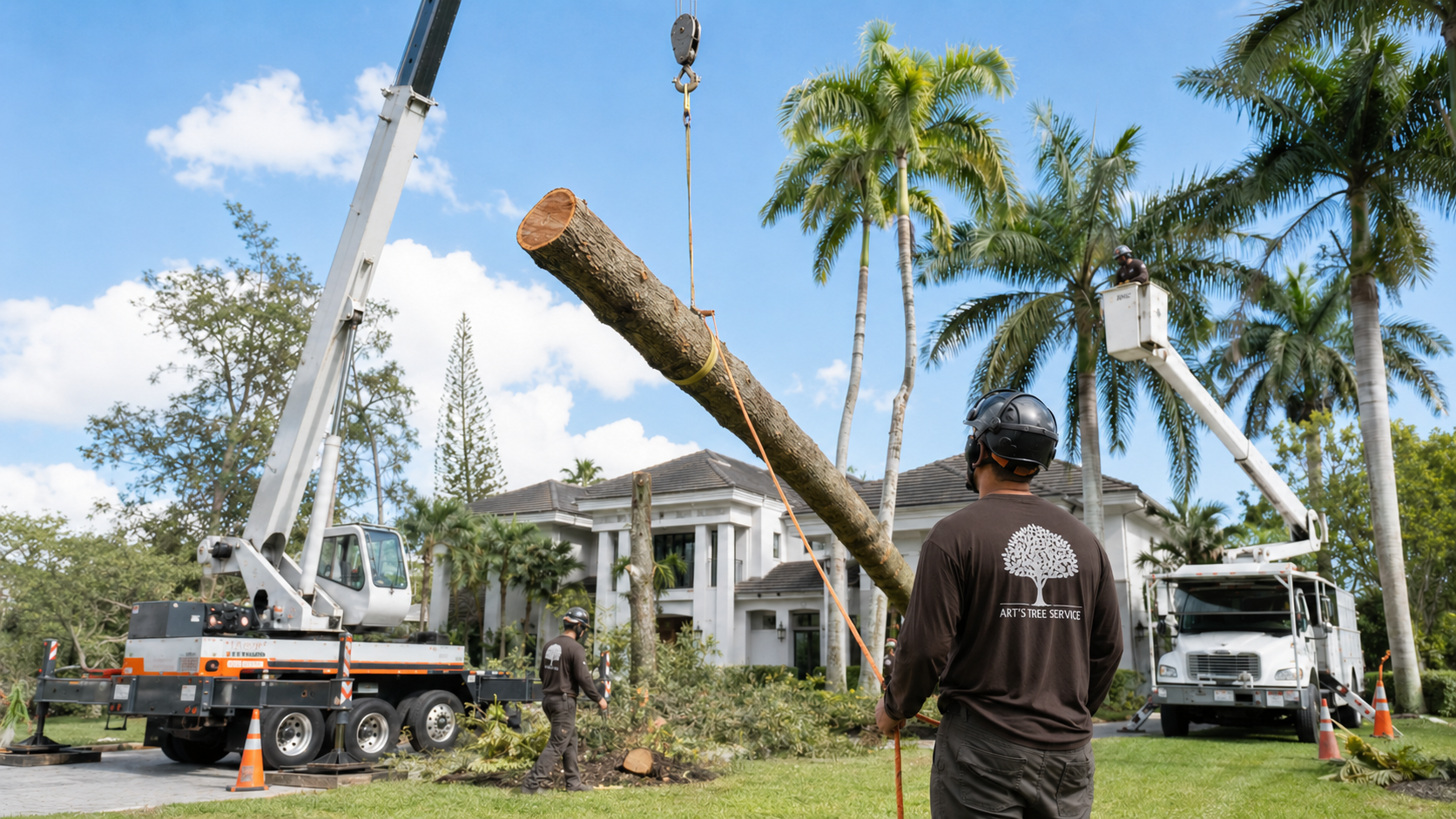
Tree Removal
Plan controlled removal for dead, hazardous, storm-damaged, or unwanted trees, including access, rigging, debris, and optional stump work.
Explore Service
Lakewood Ranch landscapes are designed, irrigated, and closely shared. Trees grow beside sidewalks, ponds, community streets, roofs, and neighboring yards where a rough work plan can create more trouble than the original branch. Art's Tree Service provides pruning, palm care, removal, stump grinding, planting, storm cleanup, and tree-health support in Lakewood Ranch. The crew uses the estimate to understand association expectations, access windows, protected beds, and the owner's desired appearance, then defines work that fits the maintained setting without confusing neatness with excessive cutting.
Explore services for structural pruning, palm maintenance, storm damage, removals, stumps, planting, and specialty tree care. Each option can be adapted to association rules, shared access, and the finished appearance expected in a Lakewood Ranch landscape.
Plan controlled removal for dead, hazardous, storm-damaged, or unwanted trees, including access, rigging, debris, and optional stump work.
Explore Service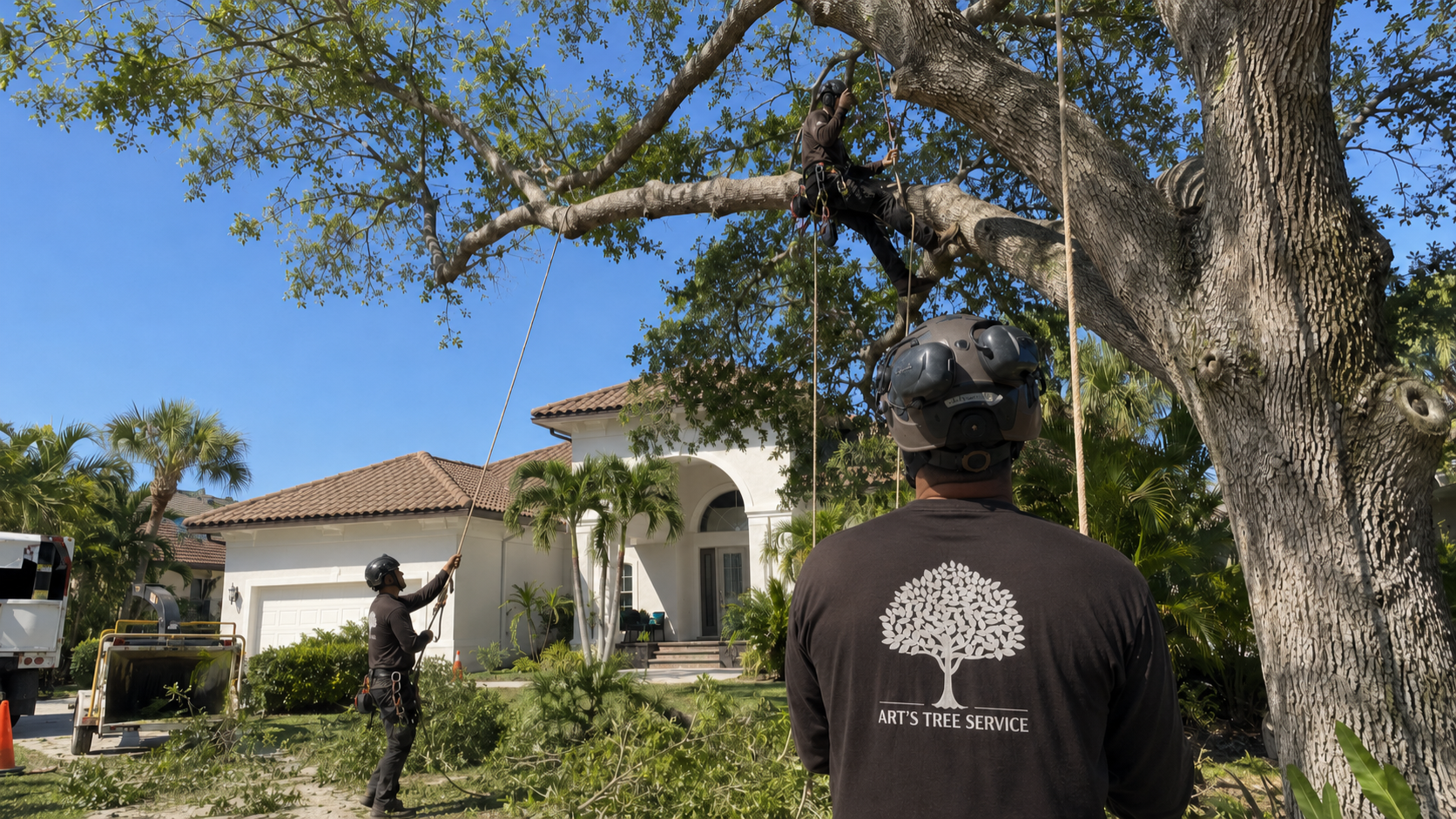
Improve clearance, canopy balance, and storm readiness by trimming damaged, overextended, or conflicting branches around the property.
Explore ServiceSupport tree structure and long-term health with selective pruning planned around the tree species, condition, growth pattern, and surroundings.
Explore Service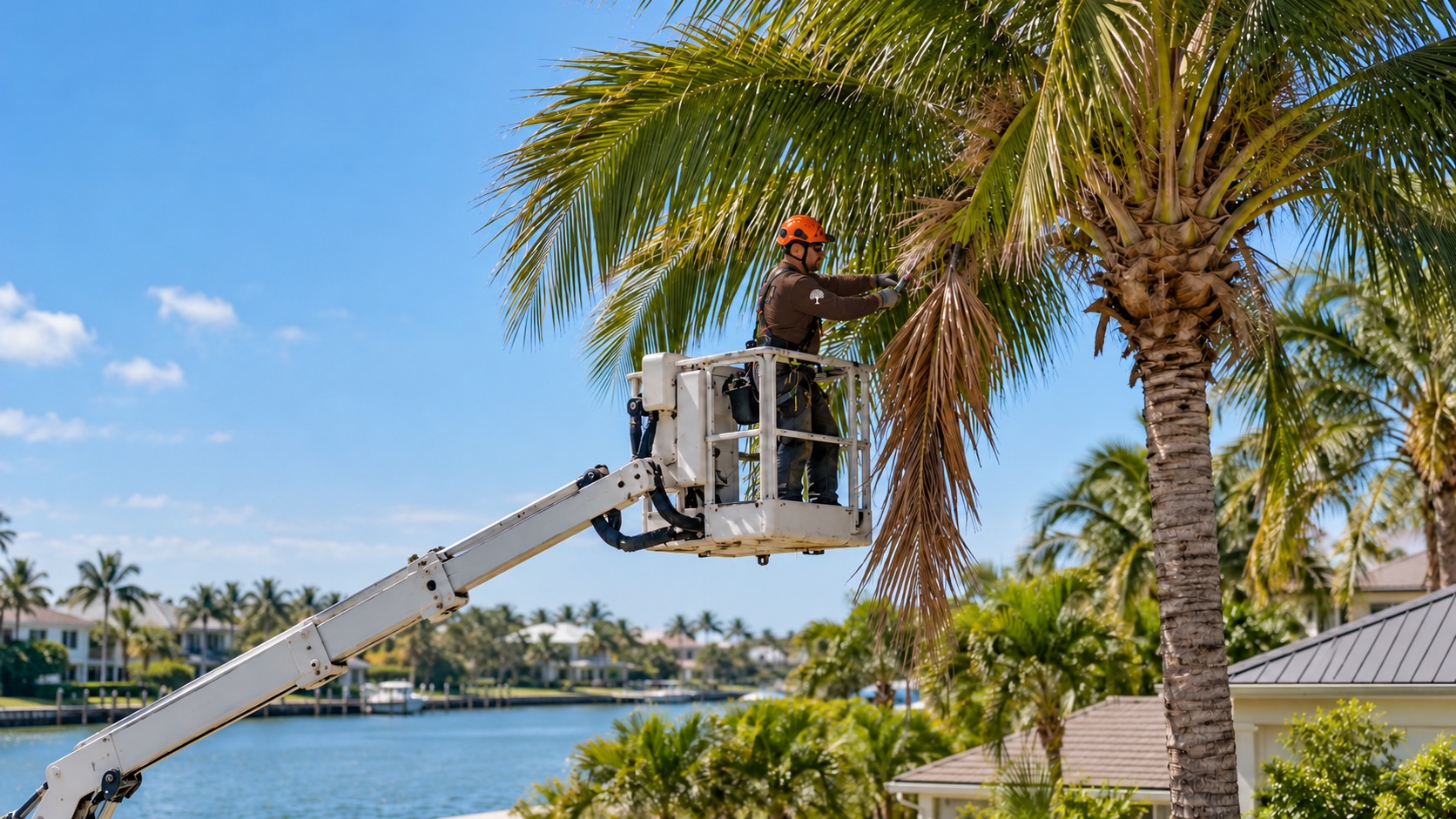
Remove dead or damaged fronds and hanging material while avoiding unnecessary cuts that can affect healthy palm growth.
Explore Service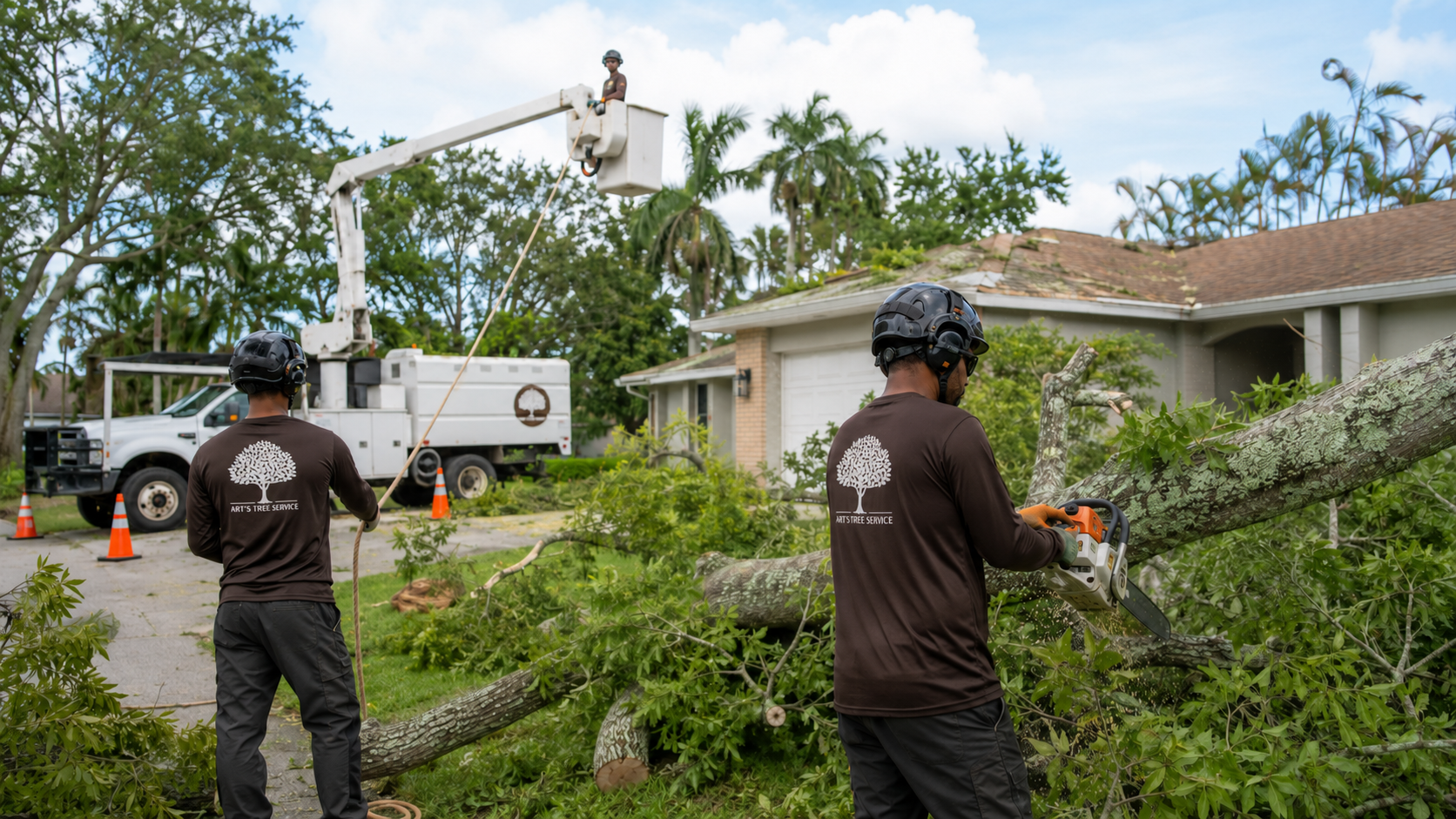
Respond to fallen, split, storm-damaged, or immediately hazardous trees with a plan for access, stabilization, removal, and cleanup.
Explore Service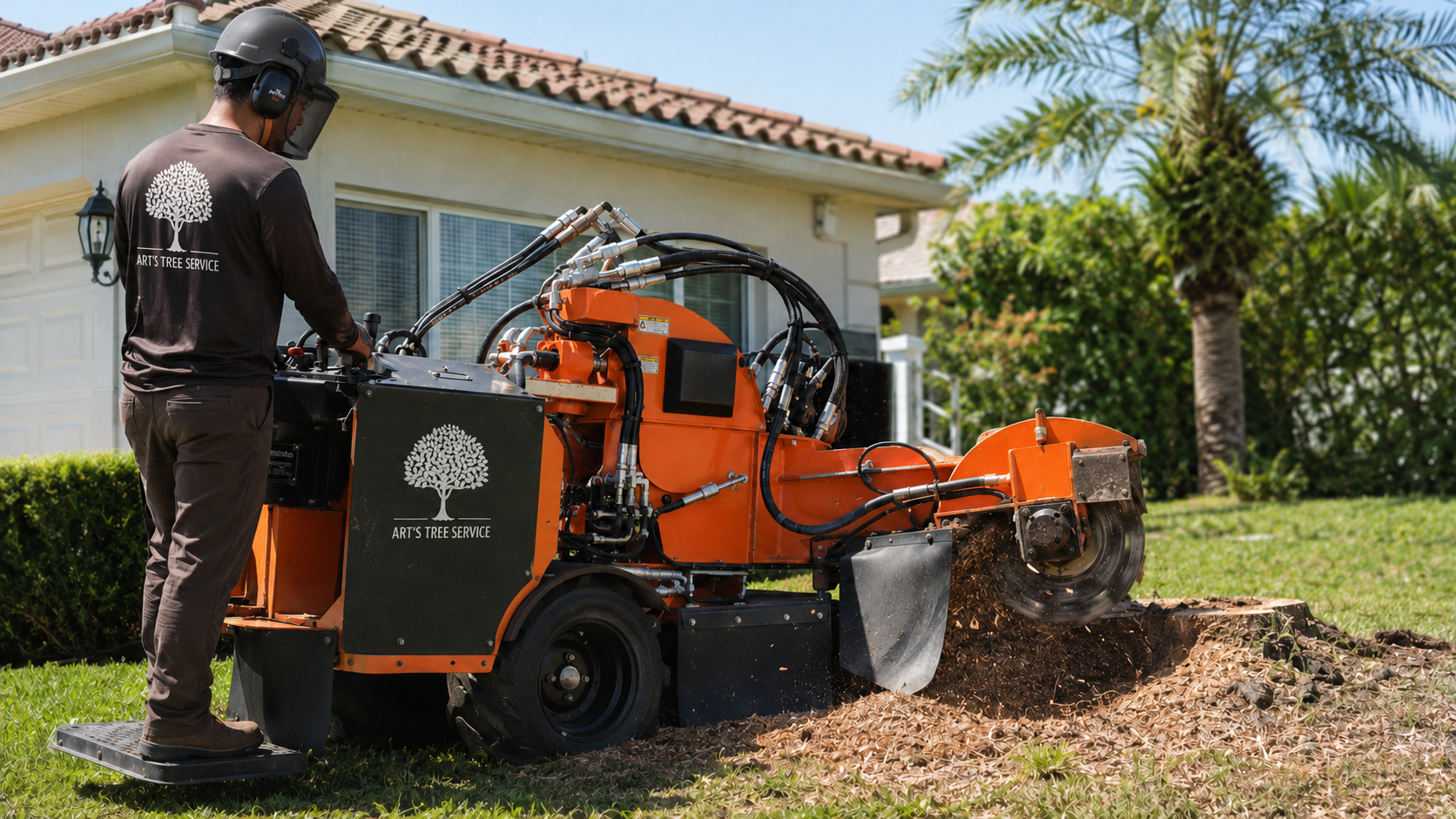
Reclaim usable space and reduce trip or mowing obstacles by defining how the stump, grindings, and surface roots are handled.
Explore Service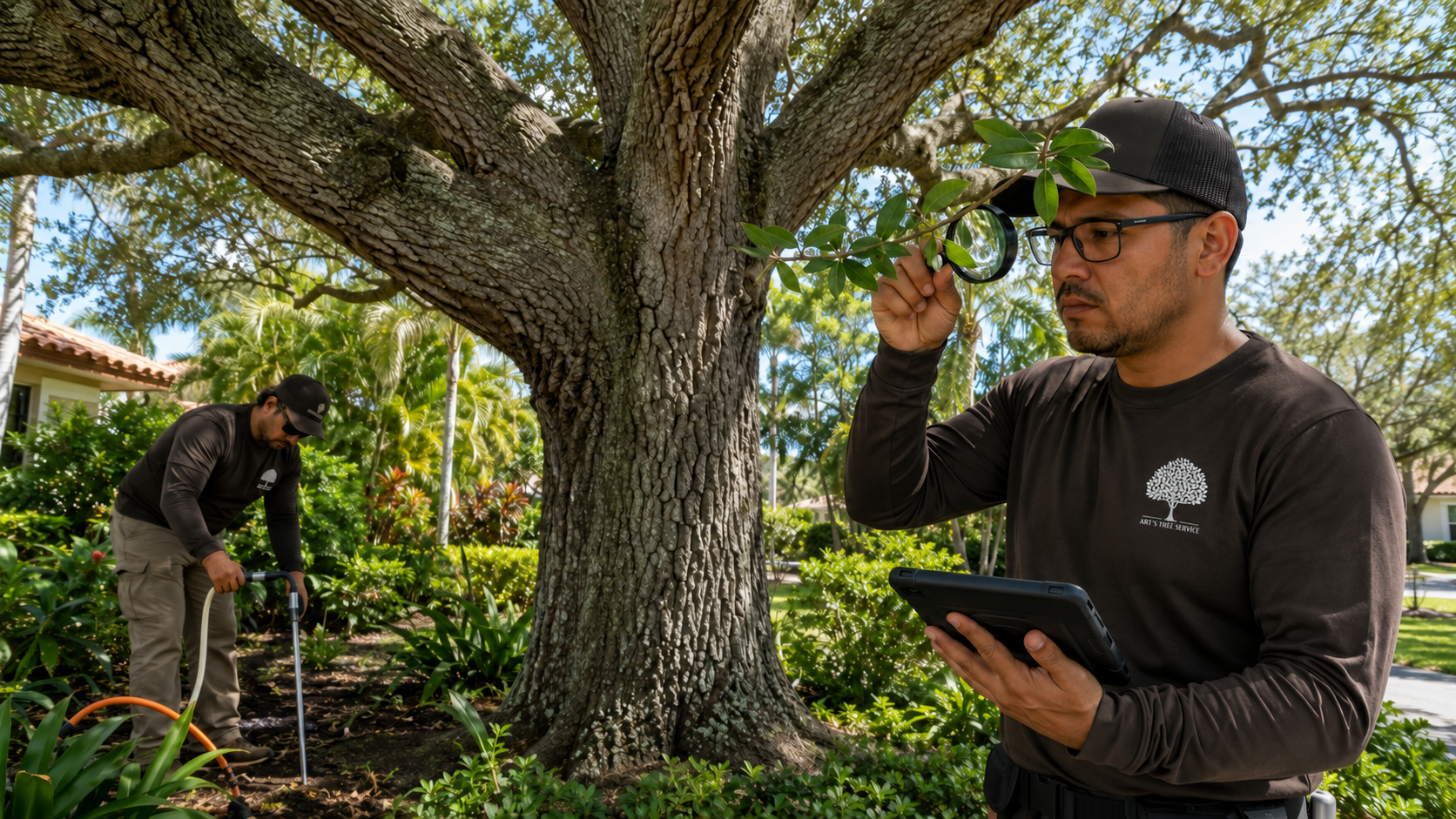
Review decline, pests, disease symptoms, root concerns, or structural questions and identify practical care or monitoring options.
Explore Service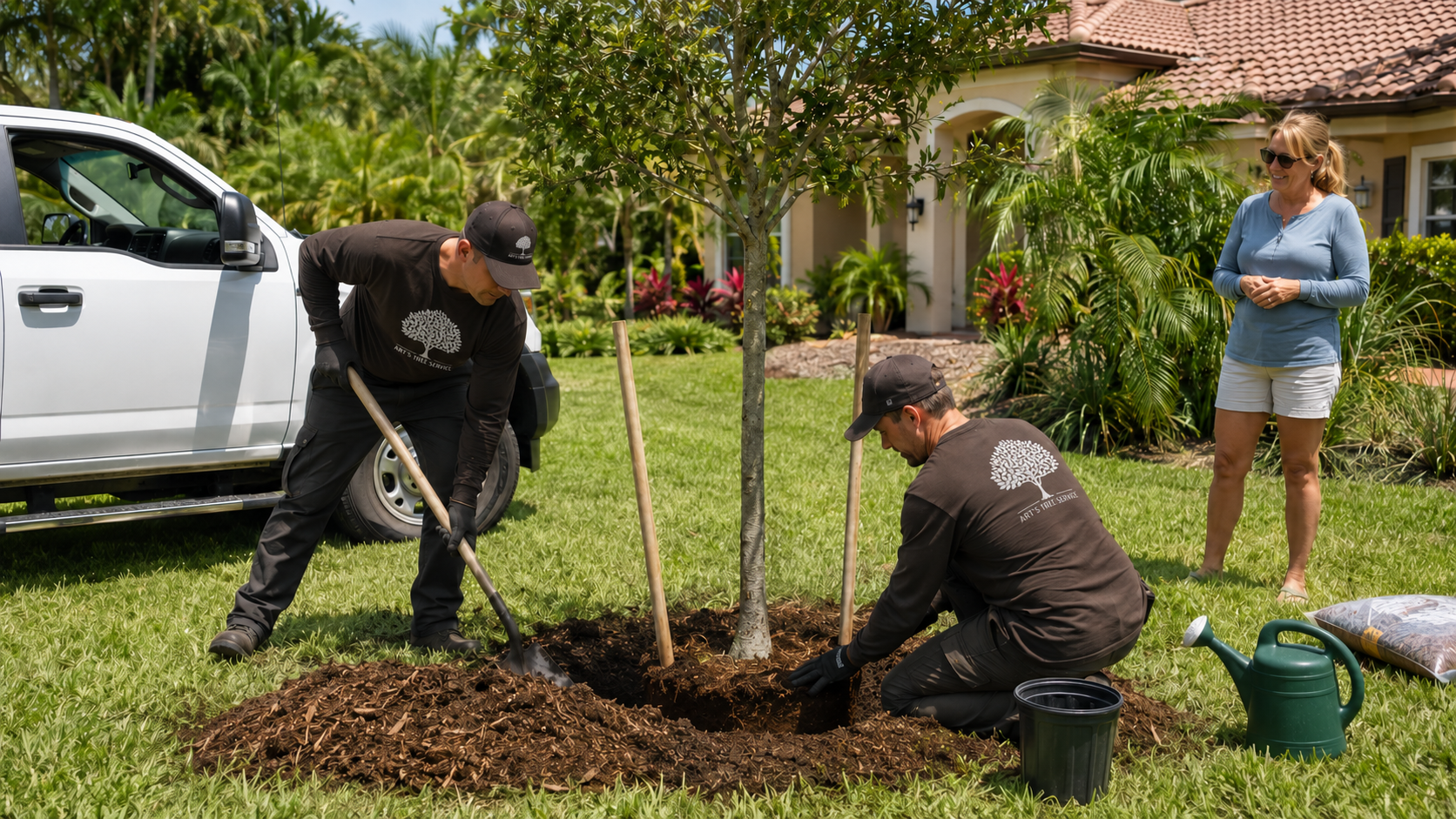
Choose an appropriate tree, placement, and installation approach for Southwest Florida growing conditions and the available property space.
Explore Service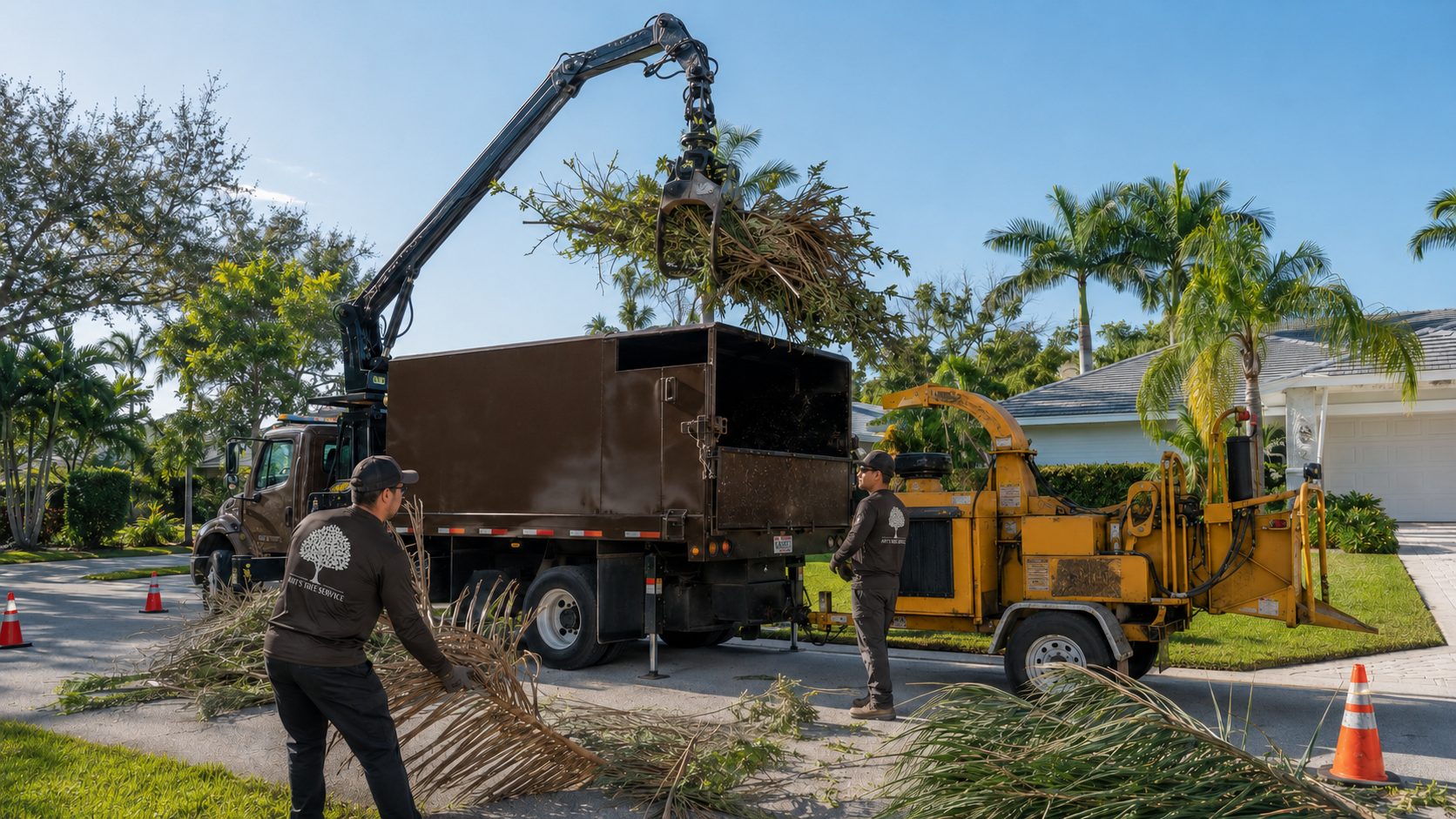
Clear limbs, brush, logs, and storm debris with an agreed plan for loading, haul-away, and the condition of the area afterward.
Explore Service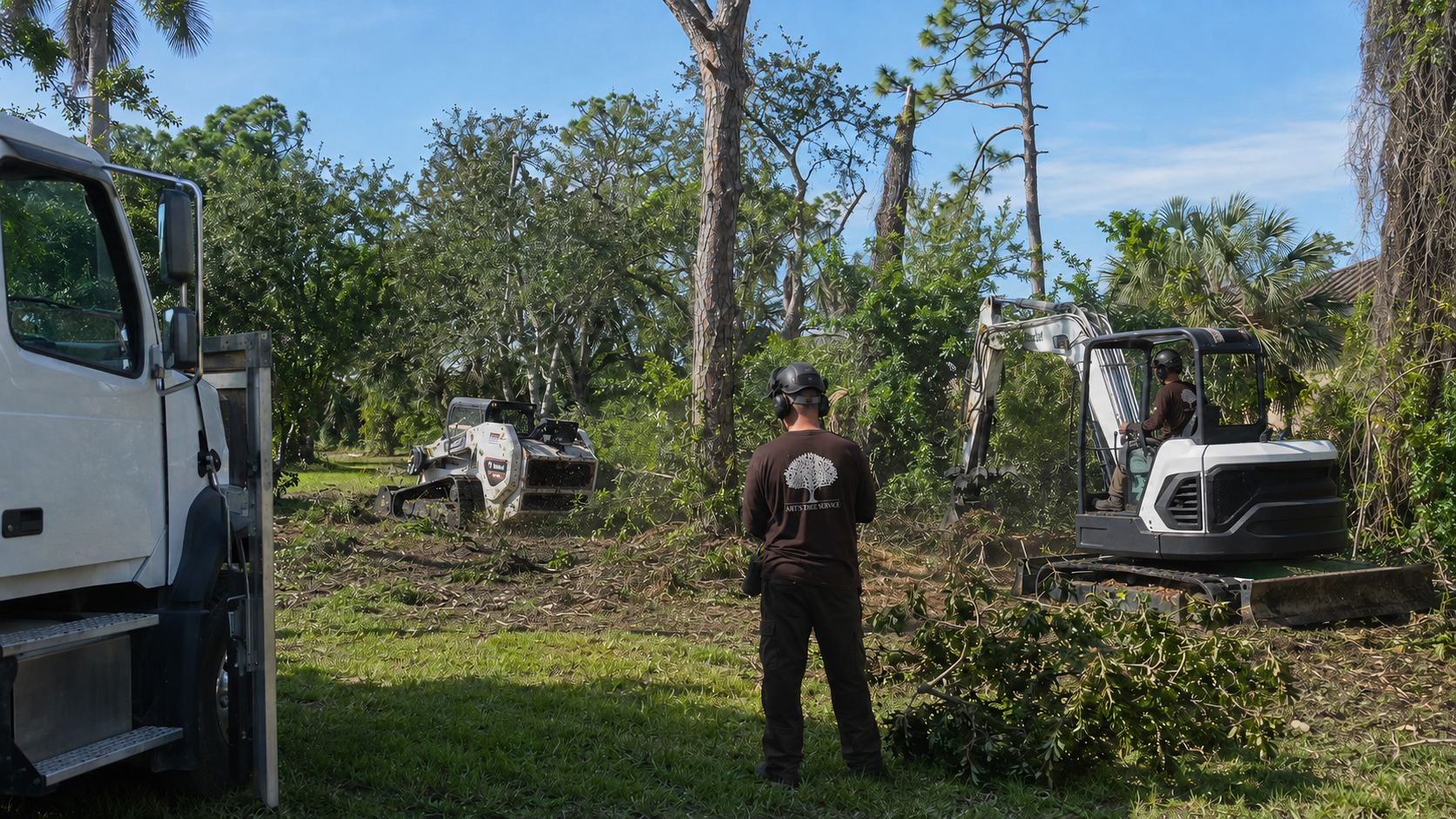
Coordinate tree, brush, and vegetation clearing for construction, landscaping, access, or property cleanup with a defined finished scope.
Explore Service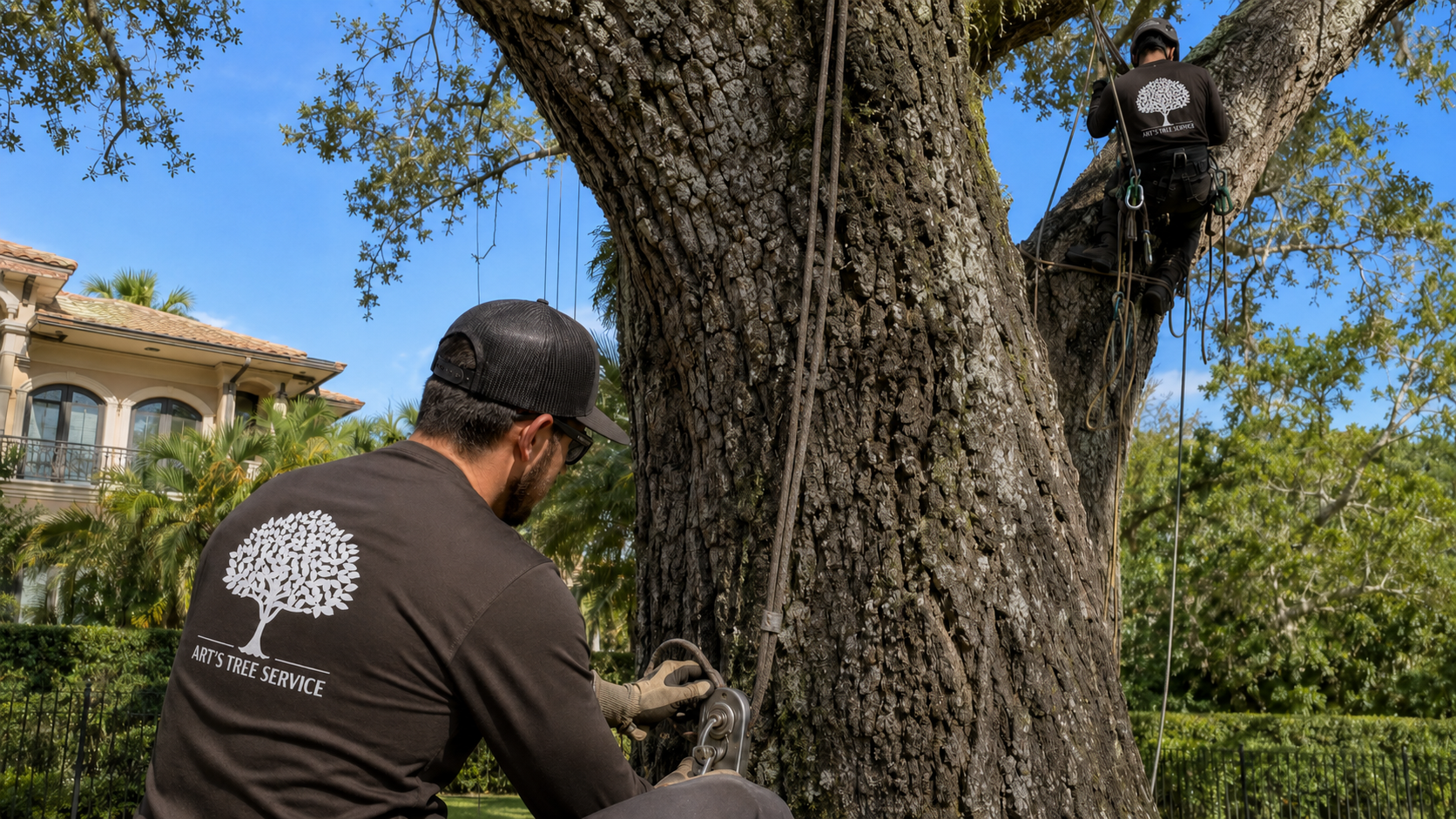
Explore professionally installed lightning-protection systems for valuable mature trees in exposed Southwest Florida landscapes.
Explore Service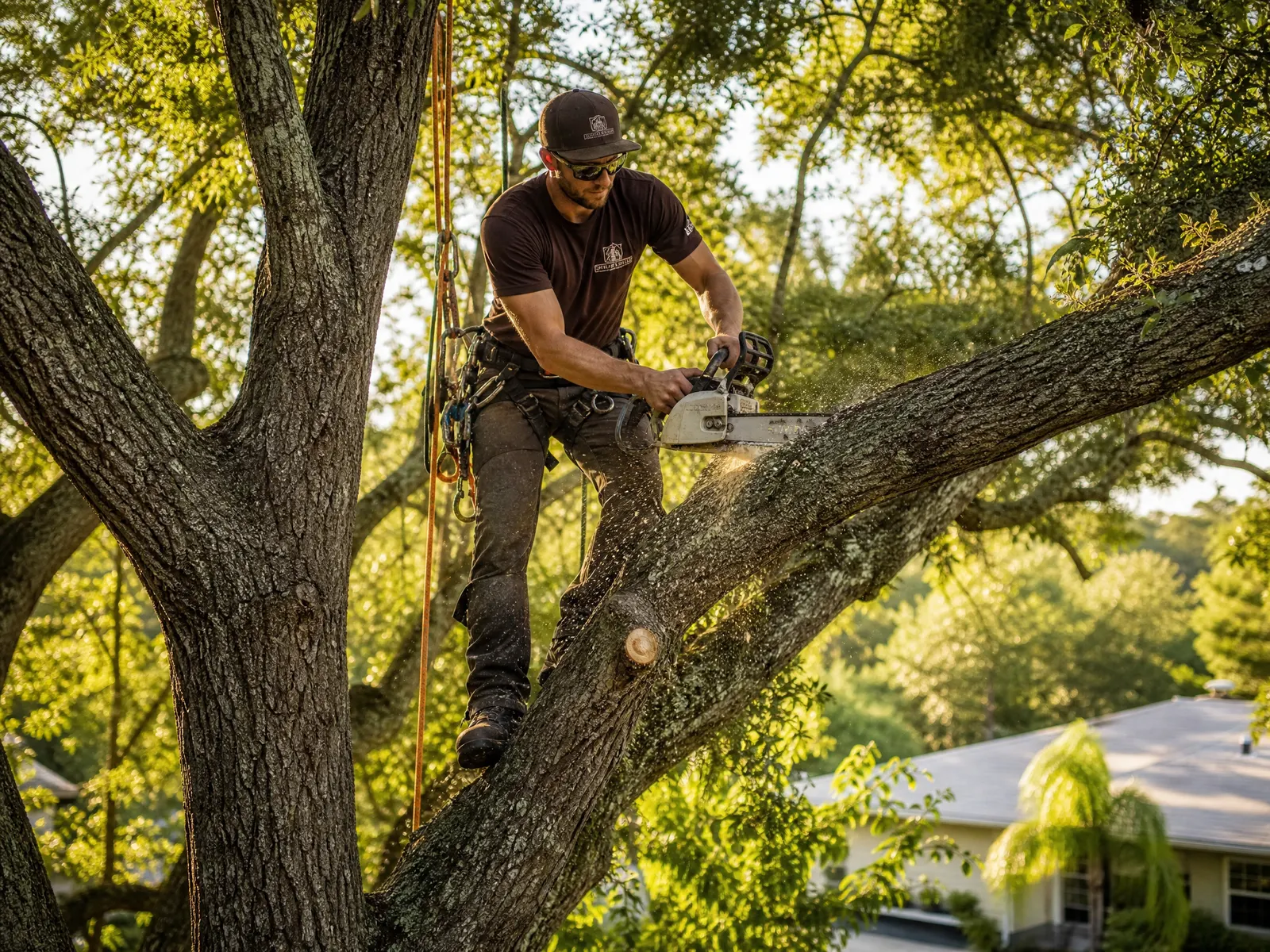
Arrange credentialed guidance for tree-health questions, risk observations, pruning decisions, preservation priorities, and long-term care planning.
Explore ServiceDetailed preparation for polished community landscapes.
Work-hour rules, approved access points, parking limits, and landscape standards are easier to handle before scheduling. Owners and managers can provide those details during the estimate so the crew arrives with a plan that fits the community.
Valve boxes, sprinkler heads, lighting, and ornamental beds can sit directly along the route to a tree. Identifying them in advance helps determine where workers walk, where limbs are lowered, and where equipment can be positioned safely.
A tidy crown should still retain healthy foliage and natural form. Selective cuts can improve clearance and remove defects without producing the hollow, over-thinned look that encourages weak sprouts and repeated maintenance.
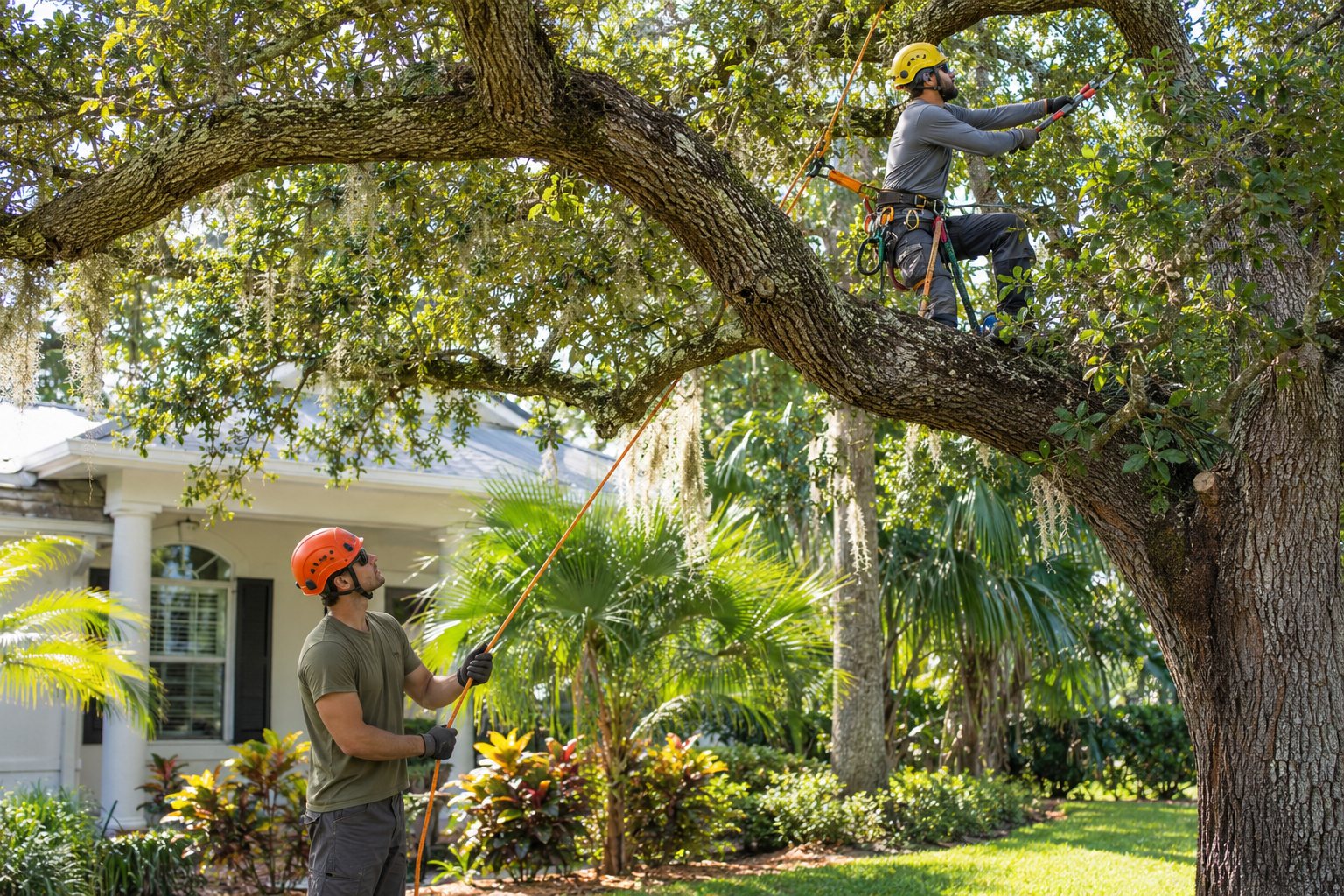
Well-kept landscapes stay that way through measured care.
Correcting competing leaders or poorly spaced branches while cuts are small can guide stronger growth. Waiting until those limbs are heavy and close to a roof makes the same structural issue more difficult and expensive to address.
A limb above a sidewalk, playground, parking lane, or community path affects more than one household. Regular observation and prompt attention to deadwood or storm damage support safer use of common areas.
Irrigated ground and pond banks may not support heavy traffic without rutting or compaction. Site conditions should influence the access route and timing, particularly after prolonged rain.
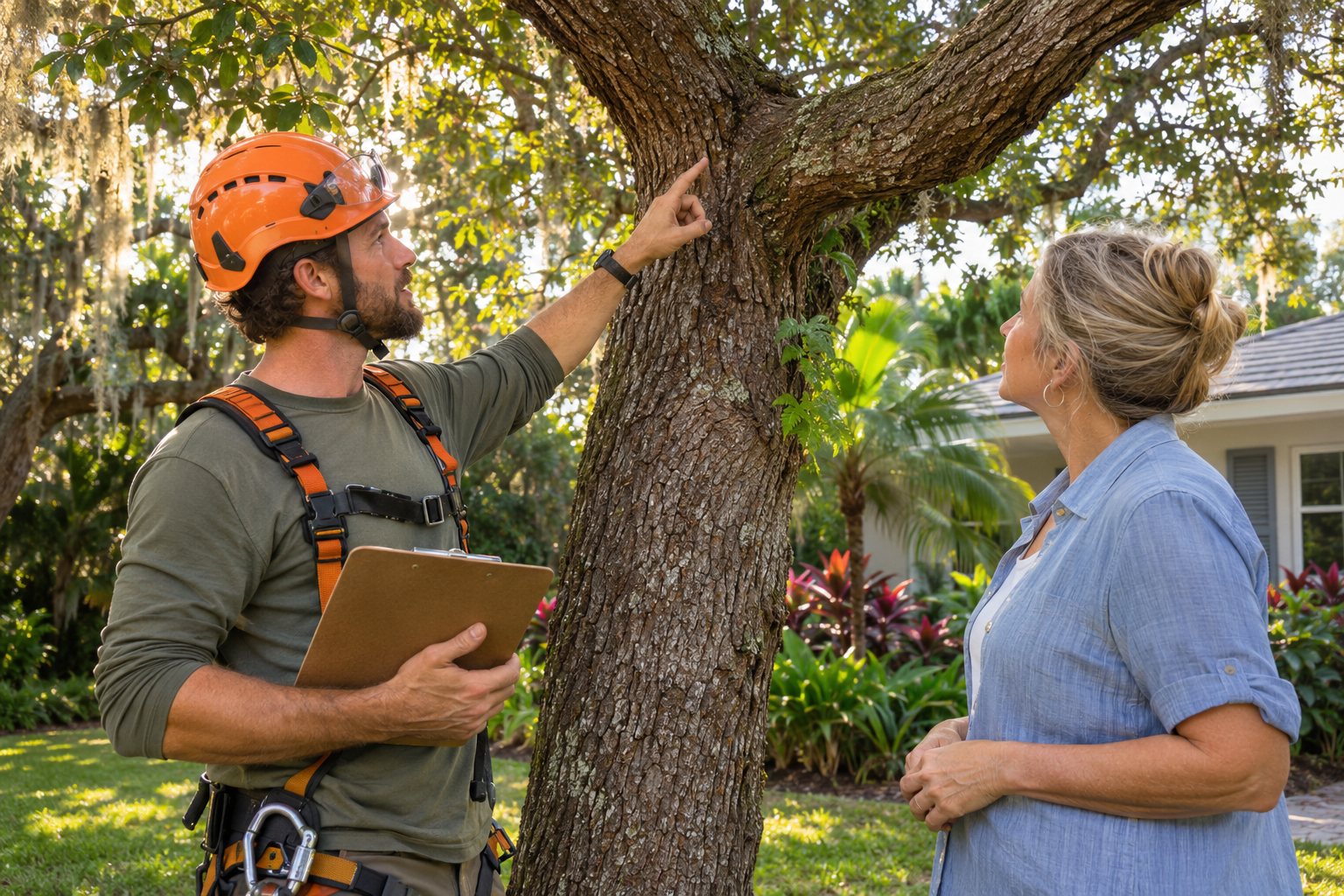
Lakewood Ranch property owners and managers often ask about HOA coordination, irrigation protection, young-tree pruning, shared spaces, and work after heavy rain.
Check the current community rules, especially for removals, street-facing trees, shared areas, or work that affects access. Approval is the owner's responsibility, but the written estimate can provide a clear description of the proposed service for an association review.
Mark visible heads, valve boxes, and shallow lines before work. The crew can choose walking and equipment routes around known components, but concealed irrigation cannot be protected if its location is unknown. Sharing a plan or marking the system reduces that uncertainty.
Early pruning is useful when competing leaders, weak attachments, or branches growing toward structures are still small. The goal is not frequent shearing; it is a few well-chosen cuts that guide a durable form while preserving enough foliage for growth.
Lakewood Ranch spans multiple villages and property types. The map shows the broad service area, while the address, gate details, association rules, and preferred work window help Art's Tree Service confirm a visit for the specific community.
For local information, visit Lakewood Ranch community information.
Tell Art's Tree Service which trees concern you, what result you want, and anything the crew should know about access. The on-site estimate is free.