
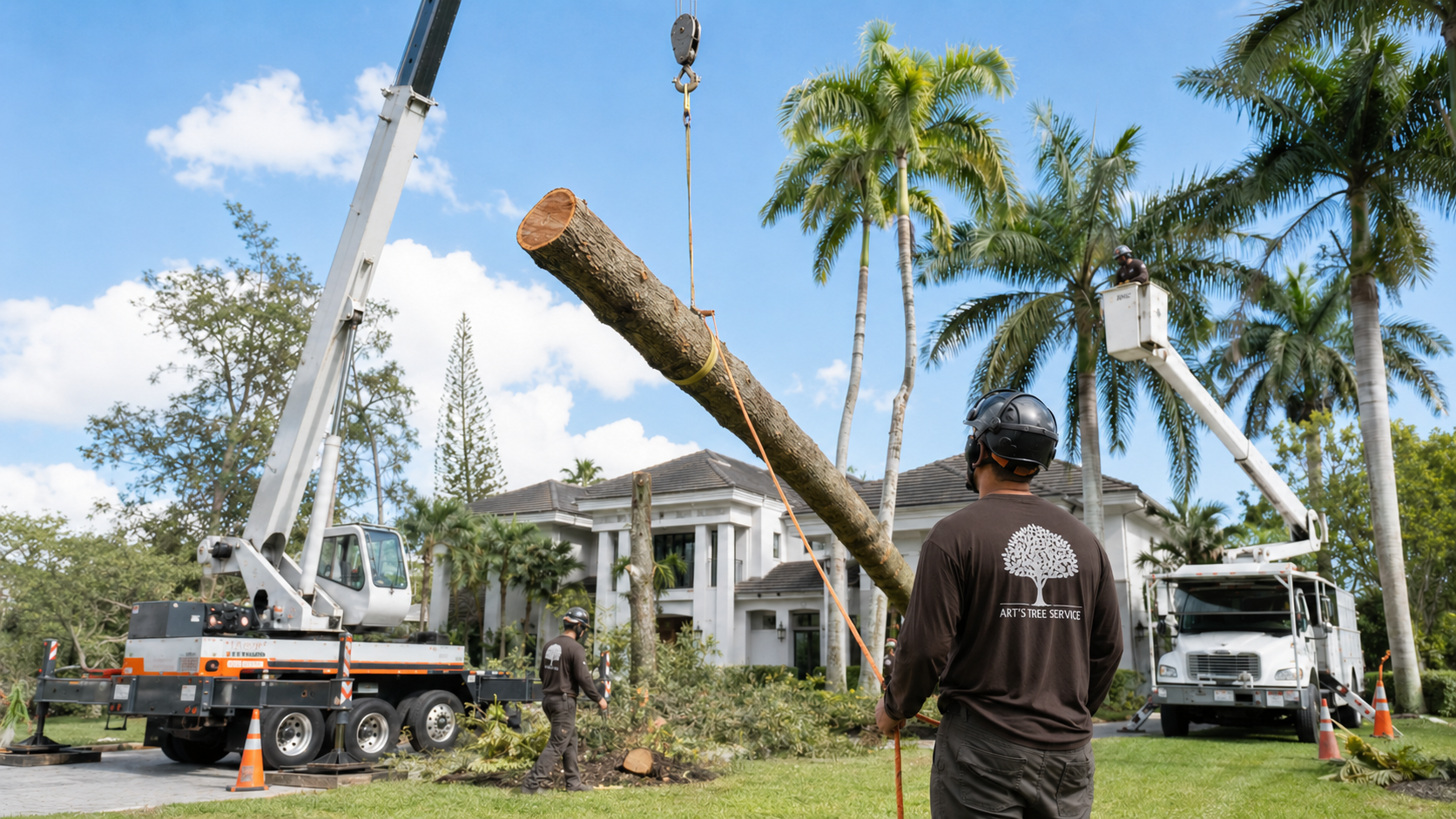
Tree Removal
Plan controlled removal for dead, hazardous, storm-damaged, or unwanted trees, including access, rigging, debris, and optional stump work.
Explore Service
Parrish is growing around a landscape that still includes rural roads, pasture edges, wooded parcels, and mature trees set far back from the street. New construction and long-established properties create different questions about access, clearing, drainage, and which trees should remain. Art's Tree Service provides pruning, removal, stump grinding, planting, debris cleanup, land clearing, and storm response in Parrish. The estimate follows the full path from the road to the work area, giving owners a written plan that reflects distance, ground conditions, utilities, fences, and the desired use of the land.
Parrish projects may involve a single tree beside a new home or coordinated work across a larger parcel. Explore services for canopy care, removals, stumps, storm debris, planting, lightning protection, and selective clearing before defining the estimate.
Plan controlled removal for dead, hazardous, storm-damaged, or unwanted trees, including access, rigging, debris, and optional stump work.
Explore Service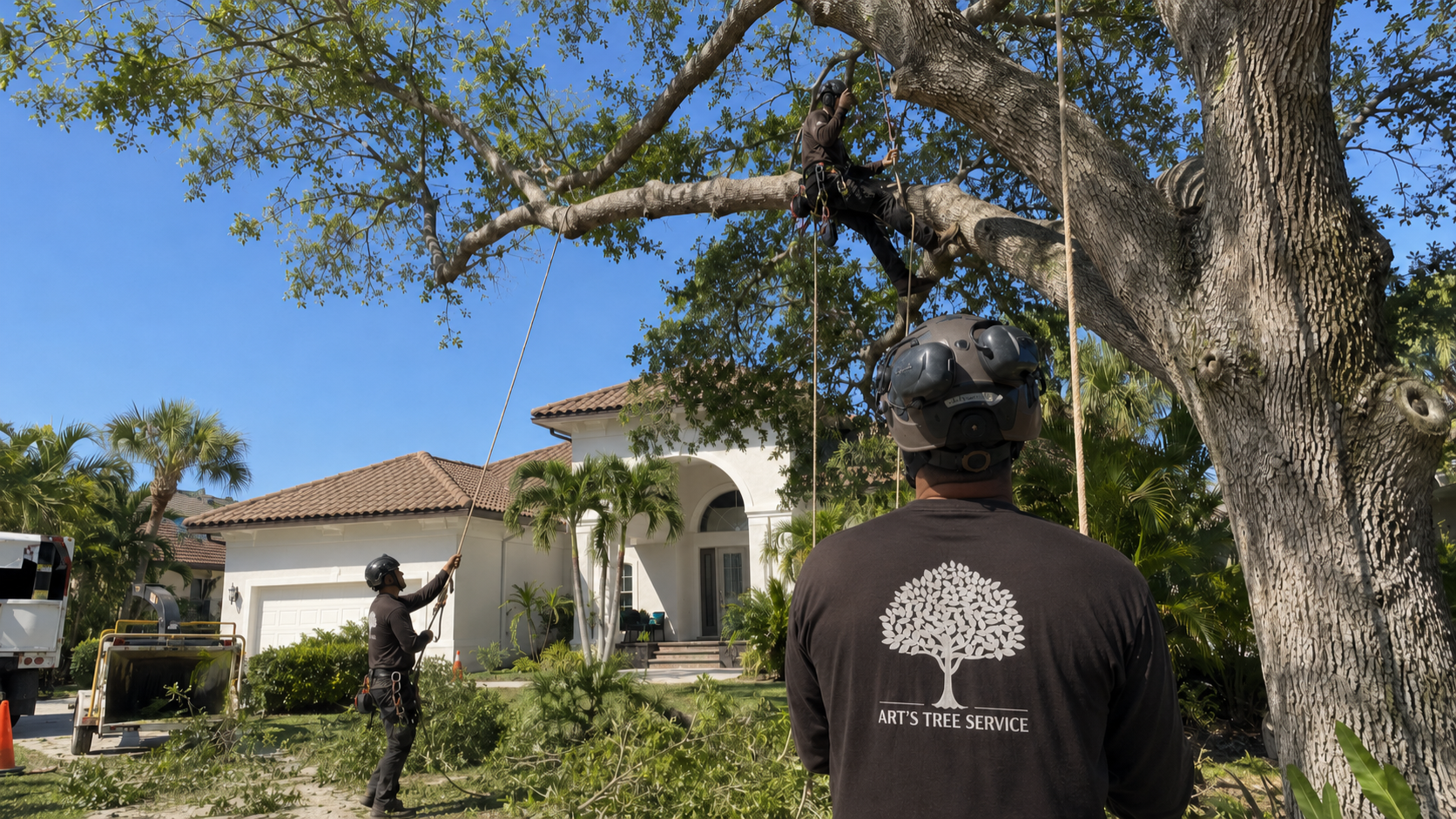
Improve clearance, canopy balance, and storm readiness by trimming damaged, overextended, or conflicting branches around the property.
Explore ServiceSupport tree structure and long-term health with selective pruning planned around the tree species, condition, growth pattern, and surroundings.
Explore Service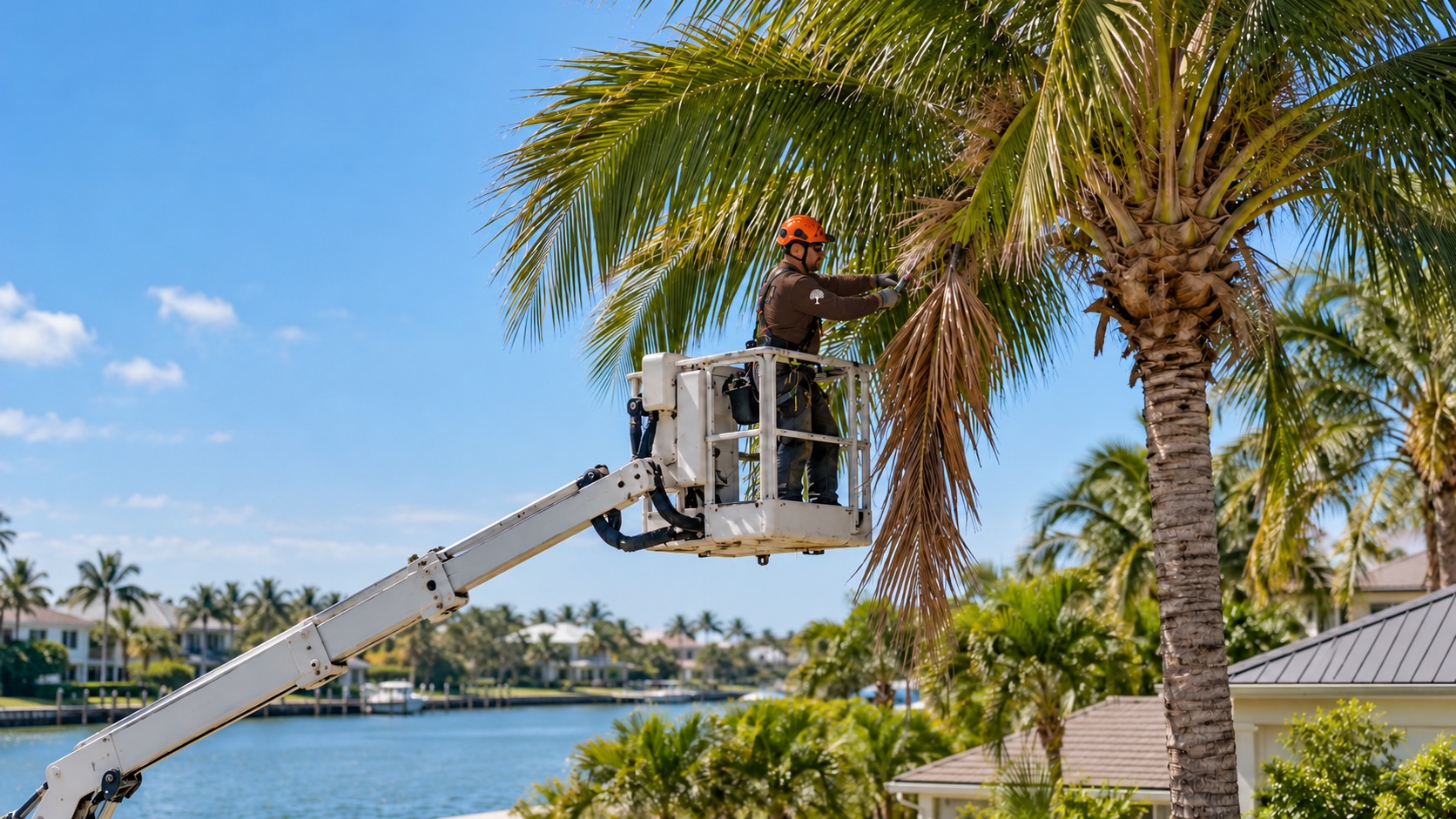
Remove dead or damaged fronds and hanging material while avoiding unnecessary cuts that can affect healthy palm growth.
Explore Service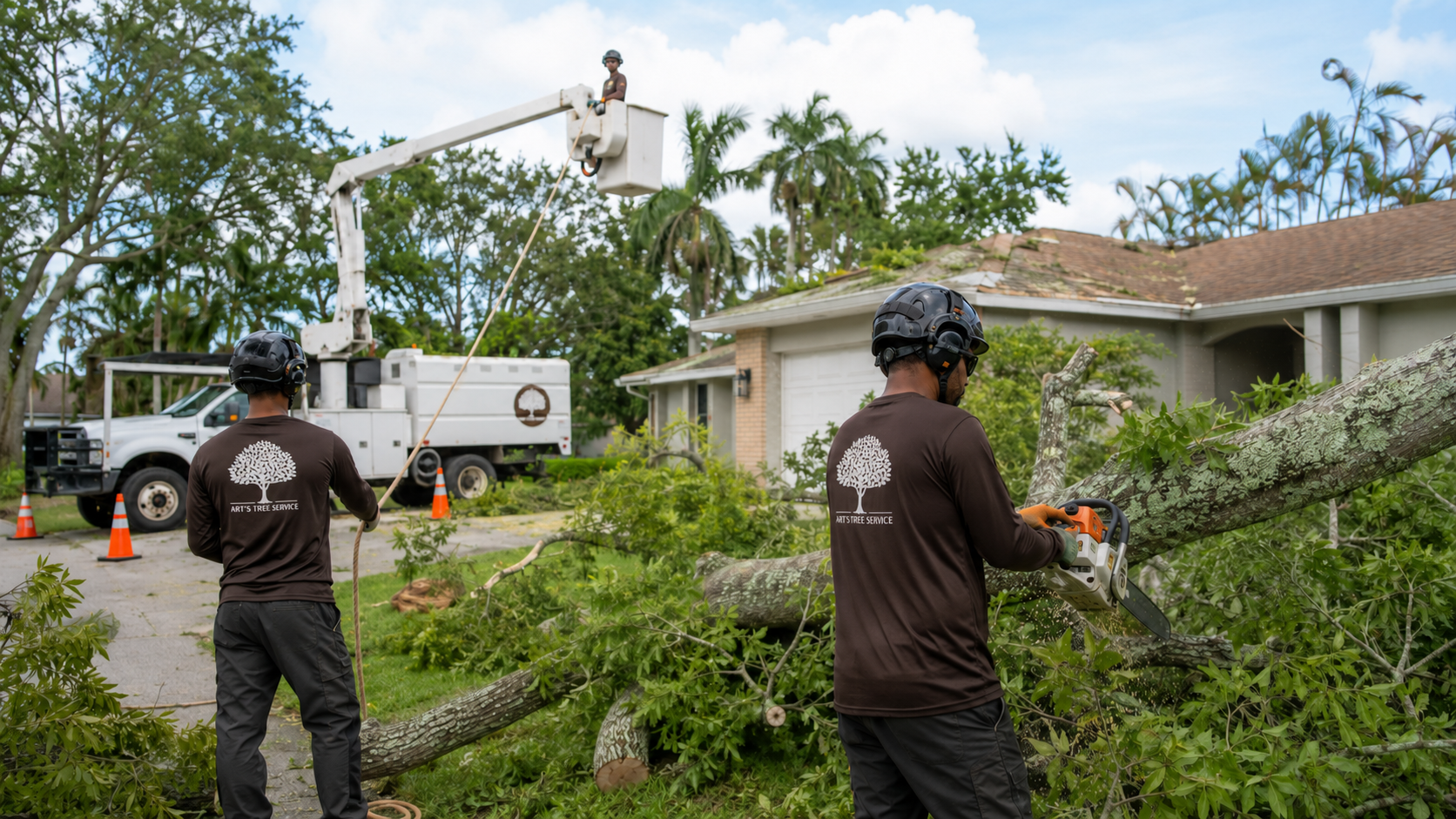
Respond to fallen, split, storm-damaged, or immediately hazardous trees with a plan for access, stabilization, removal, and cleanup.
Explore Service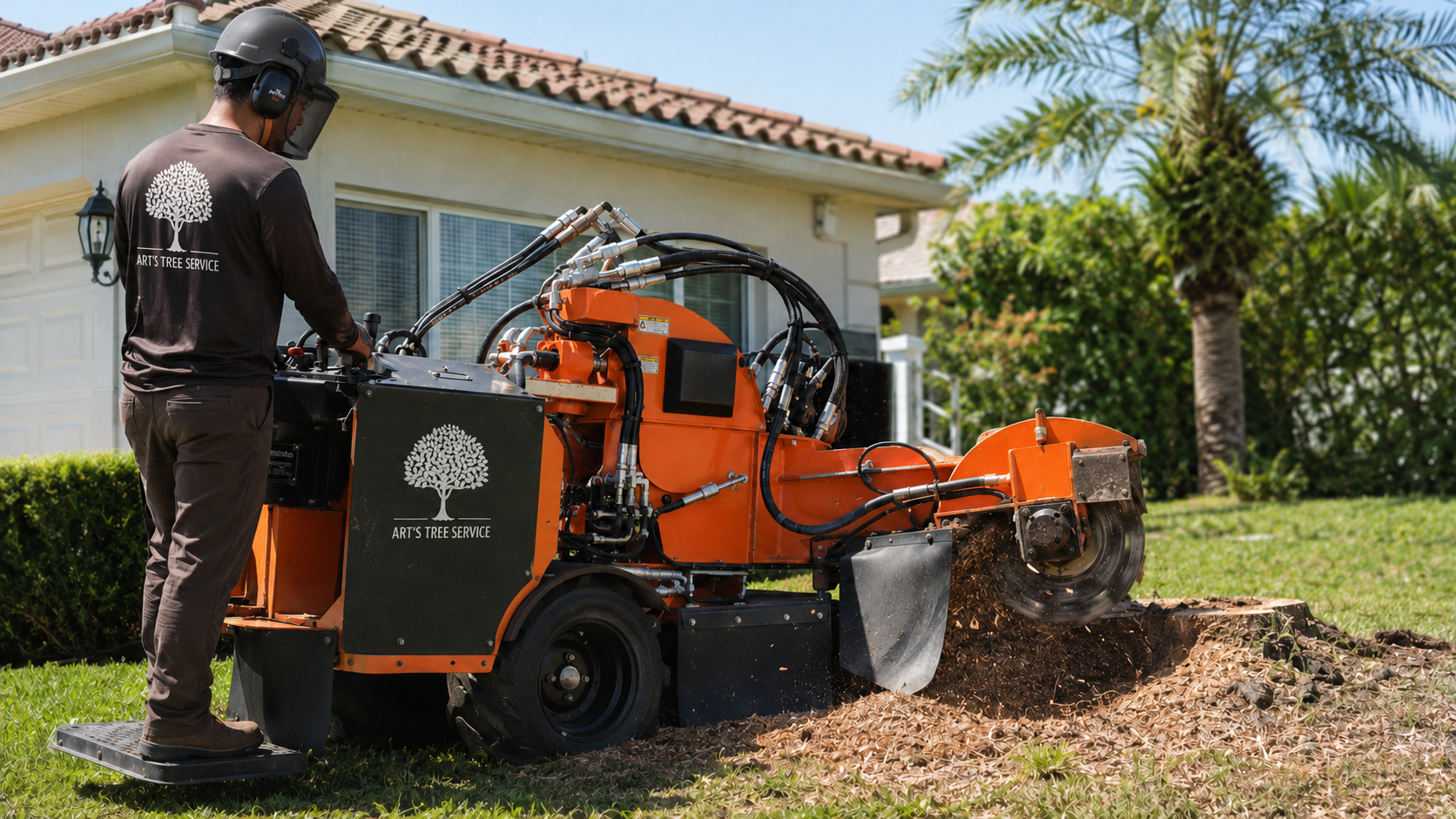
Reclaim usable space and reduce trip or mowing obstacles by defining how the stump, grindings, and surface roots are handled.
Explore Service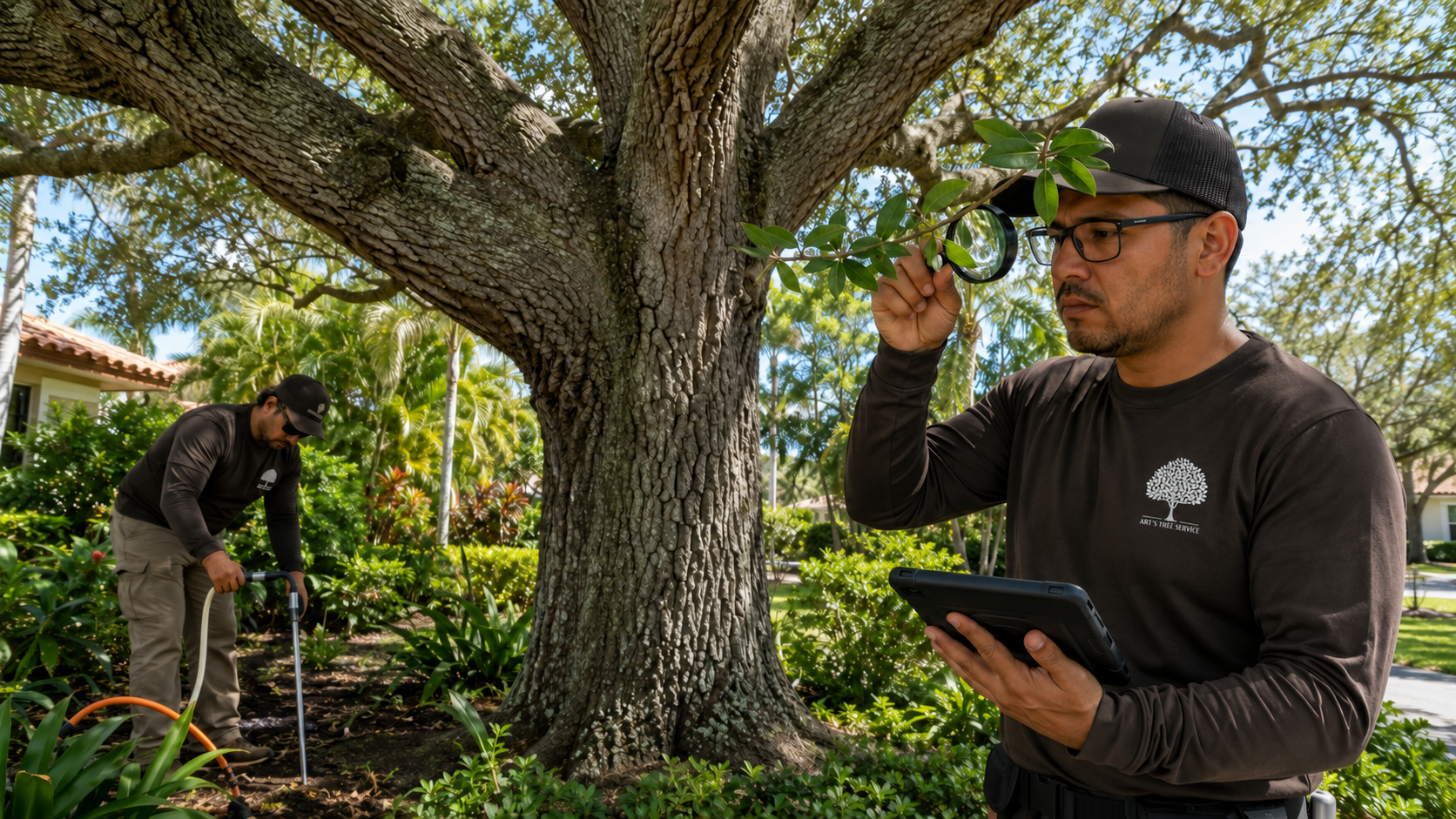
Review decline, pests, disease symptoms, root concerns, or structural questions and identify practical care or monitoring options.
Explore Service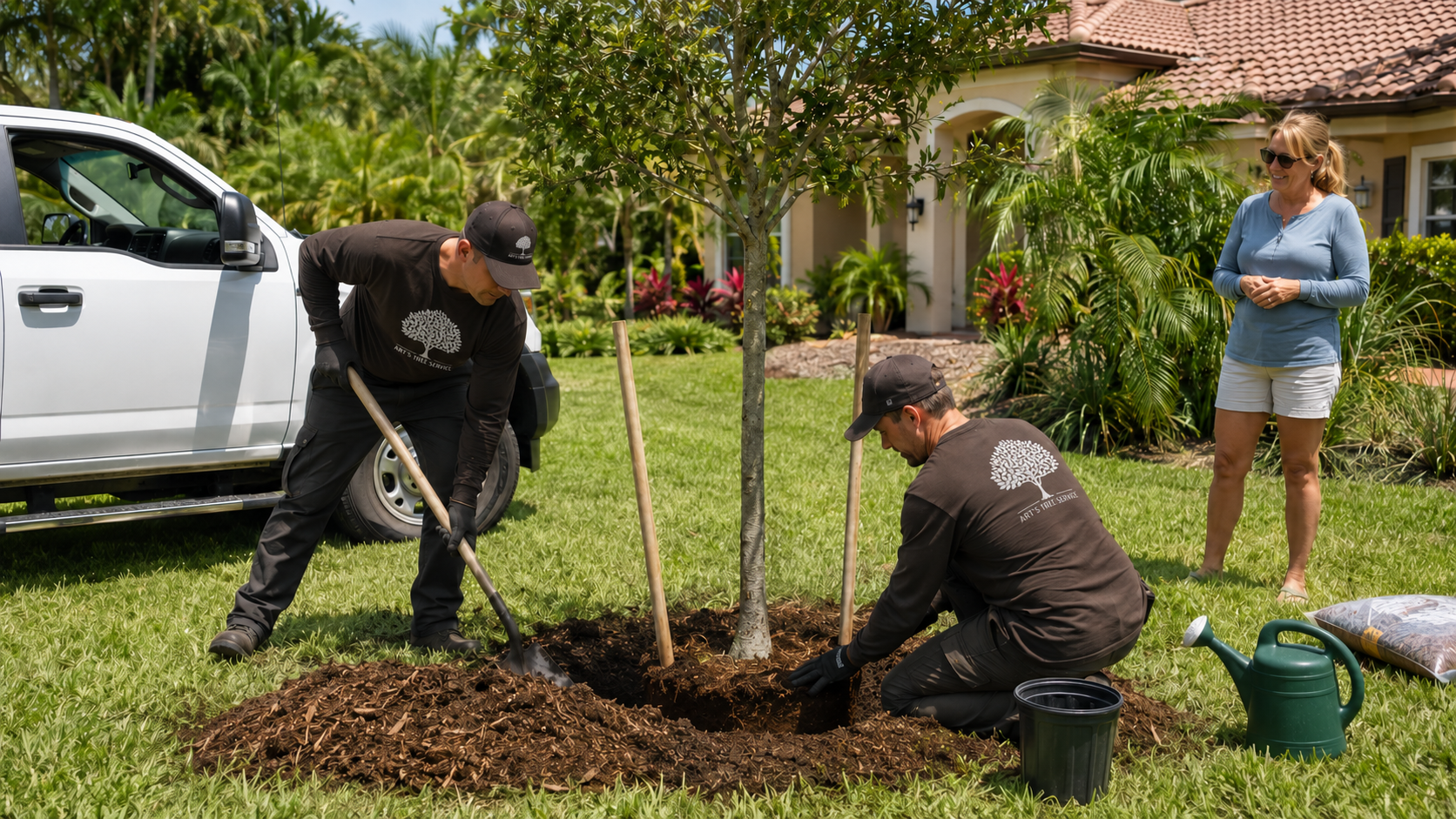
Choose an appropriate tree, placement, and installation approach for Southwest Florida growing conditions and the available property space.
Explore Service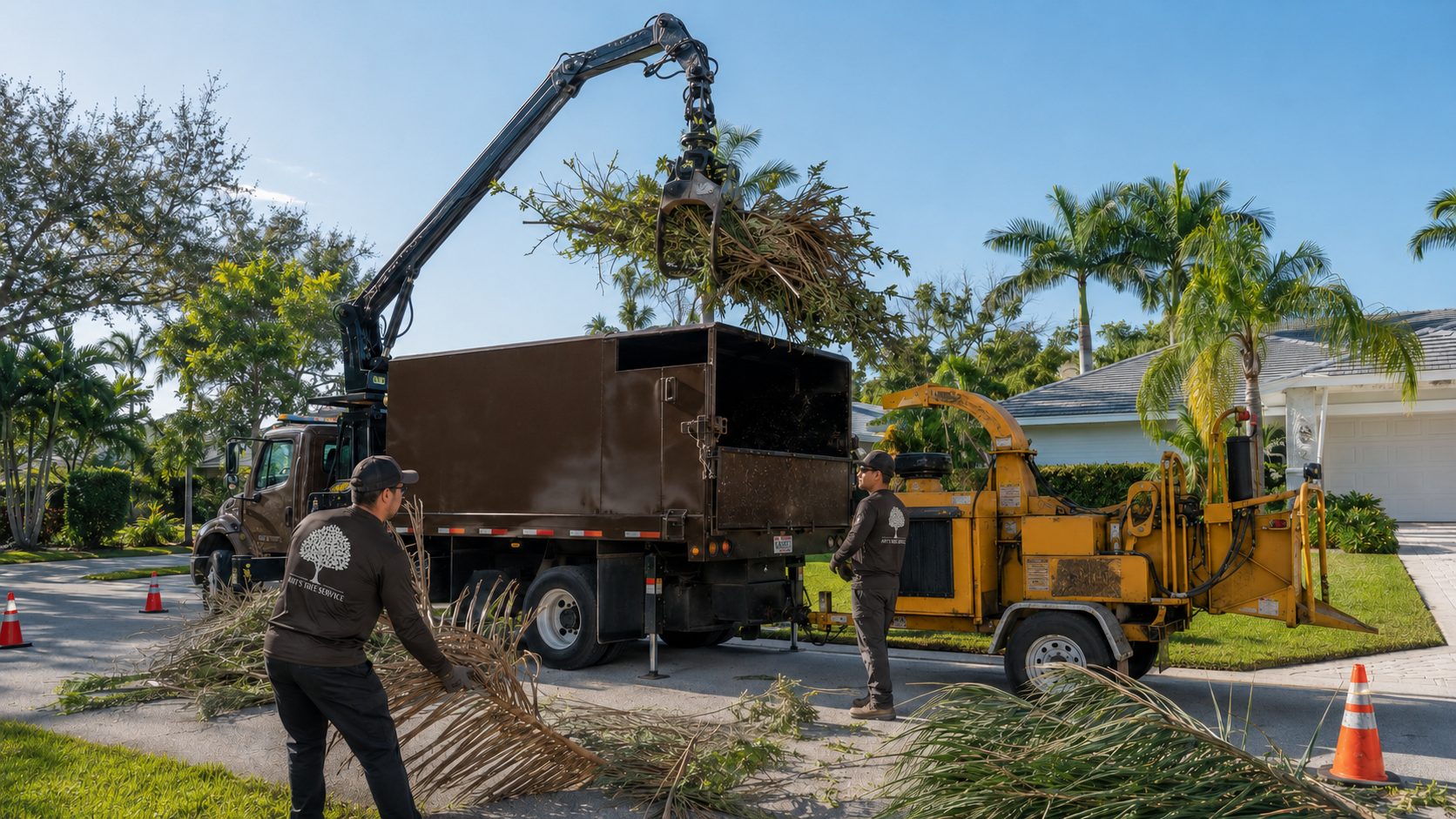
Clear limbs, brush, logs, and storm debris with an agreed plan for loading, haul-away, and the condition of the area afterward.
Explore Service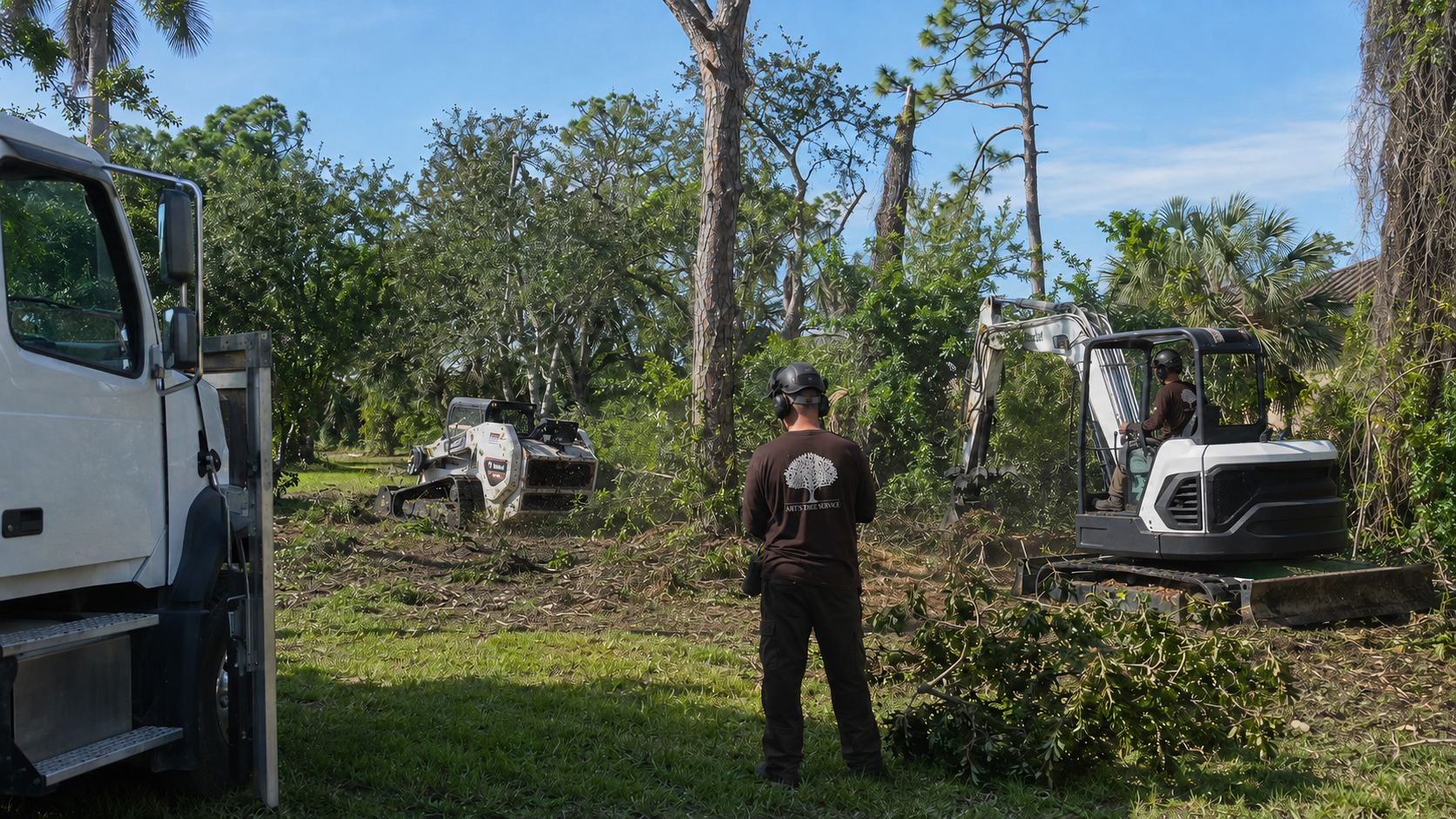
Coordinate tree, brush, and vegetation clearing for construction, landscaping, access, or property cleanup with a defined finished scope.
Explore Service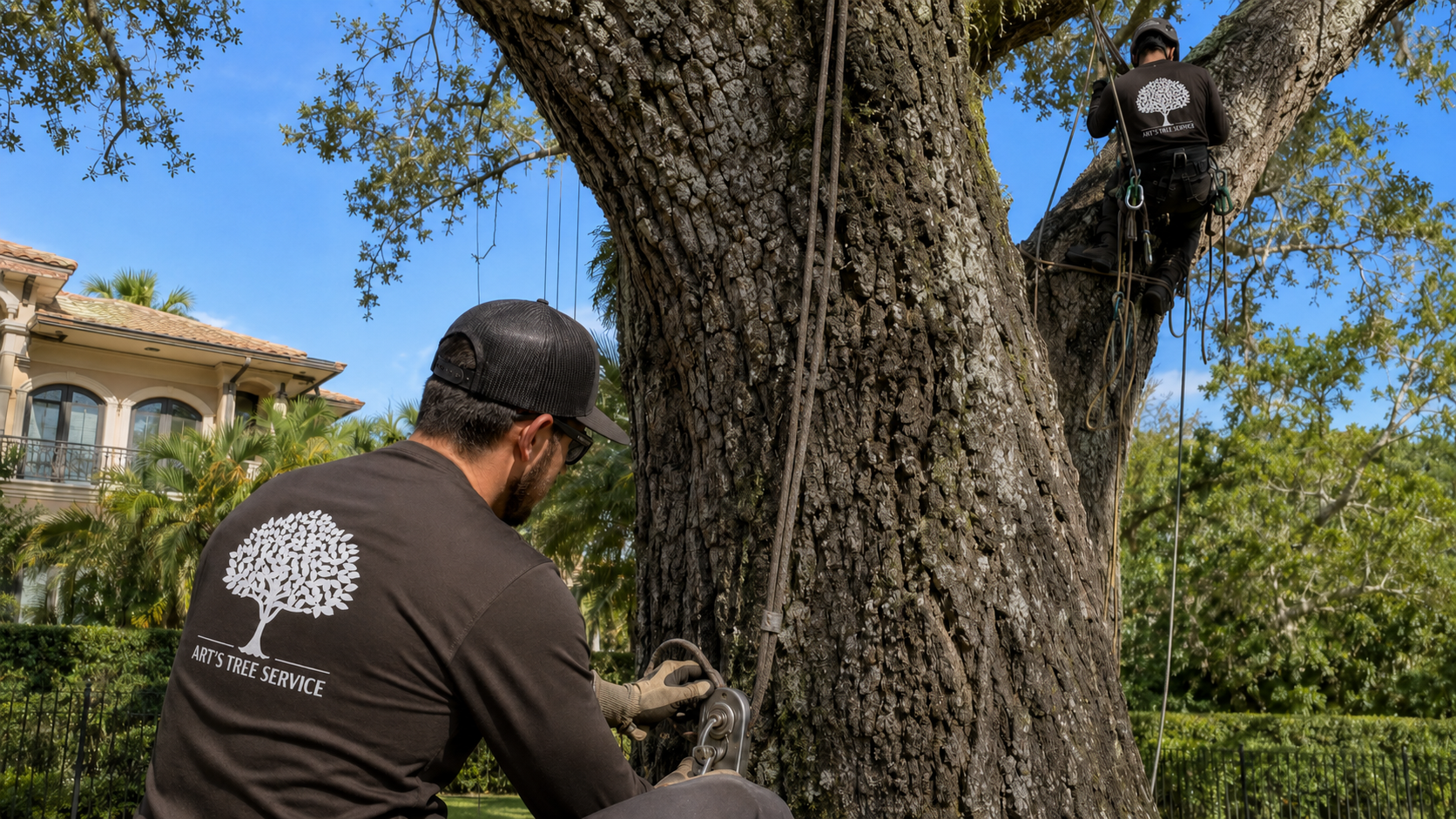
Explore professionally installed lightning-protection systems for valuable mature trees in exposed Southwest Florida landscapes.
Explore Service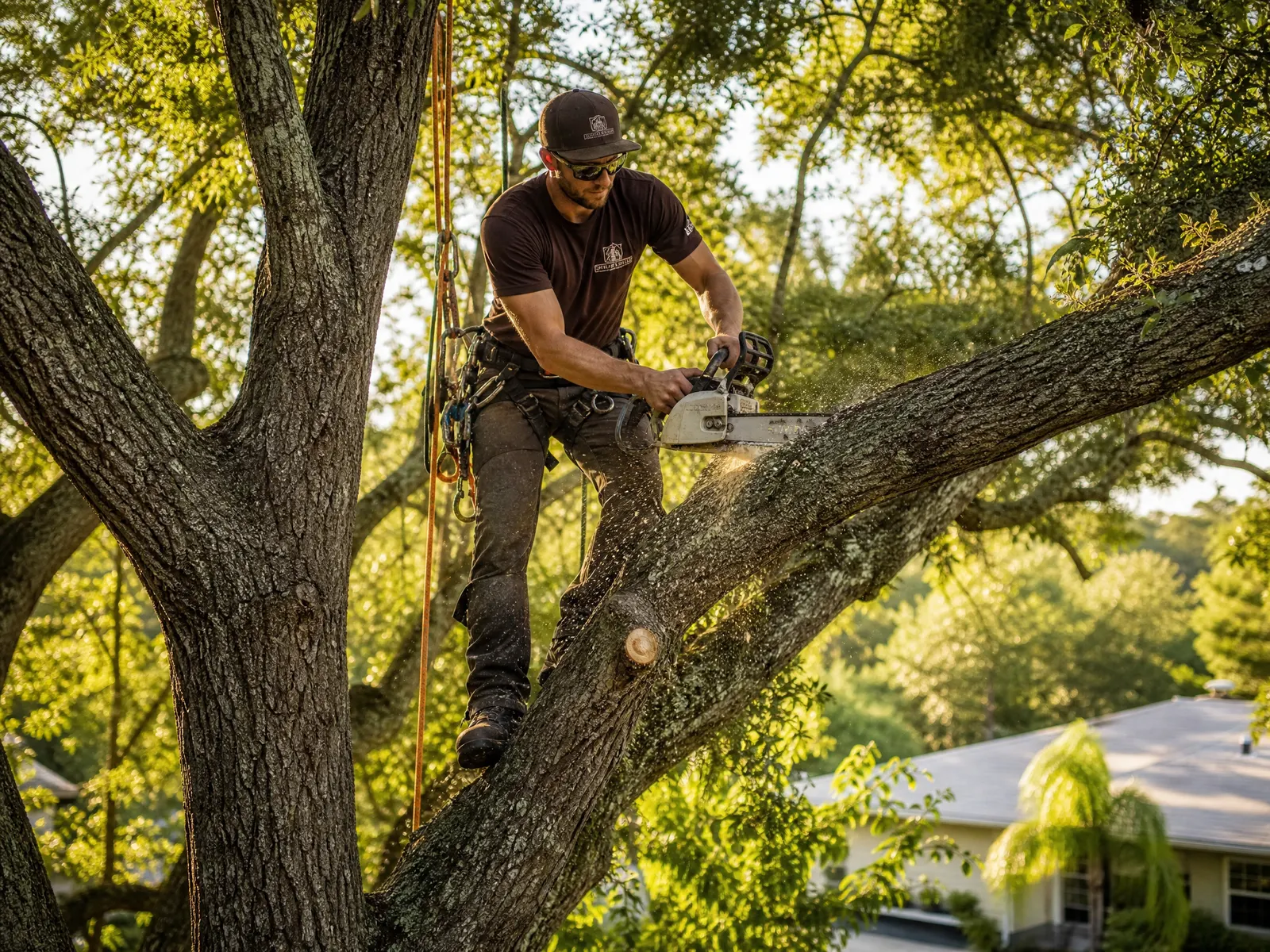
Arrange credentialed guidance for tree-health questions, risk observations, pruning decisions, preservation priorities, and long-term care planning.
Explore ServiceProperty-scale planning without losing sight of individual trees.
For local information, visit Parrish community overview.
Long drives, soft shoulders, fences, animals, and drainage crossings affect how crews and equipment reach the work. Reviewing that route prevents the estimate from treating a rear-acre tree like one positioned beside the street.
A future building pad, fence line, or view corridor can be opened while preserving selected shade and boundary trees. Marking keep and remove areas before work helps avoid irreversible decisions made once machinery is already operating.
A rural or wooded project may create more brush and wood than a standard residential trim. Chipping, hauling, stacking, or leaving selected material on site should be compared so the owner understands both the cost and the finished landscape.
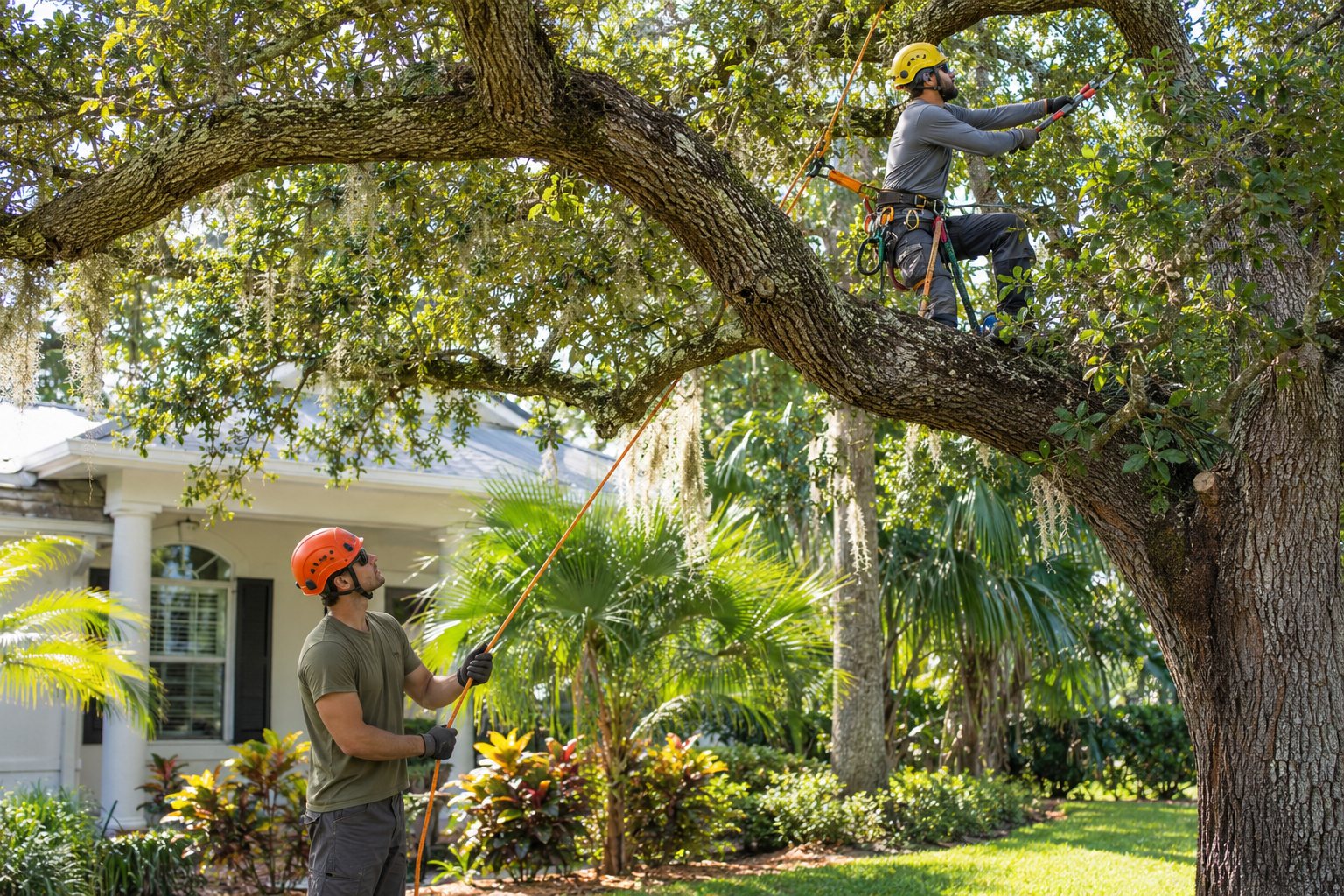
Development changes wind, roots, and how land is used.
When nearby vegetation is cleared, trees that once stood inside a group may become the new windward edge. Watching for lean, canopy change, and root disturbance is especially important during the seasons after construction.
Compaction, trenching, fill, and grade changes may injure roots several feet from a tree. Keeping heavy activity out of important root zones can preserve trees intended to remain as part of the finished property.
A fallen tree across a long drive can isolate the home even when it does not strike a structure. Identifying trees with defects near the primary access route can be a practical part of storm preparation on a larger parcel.
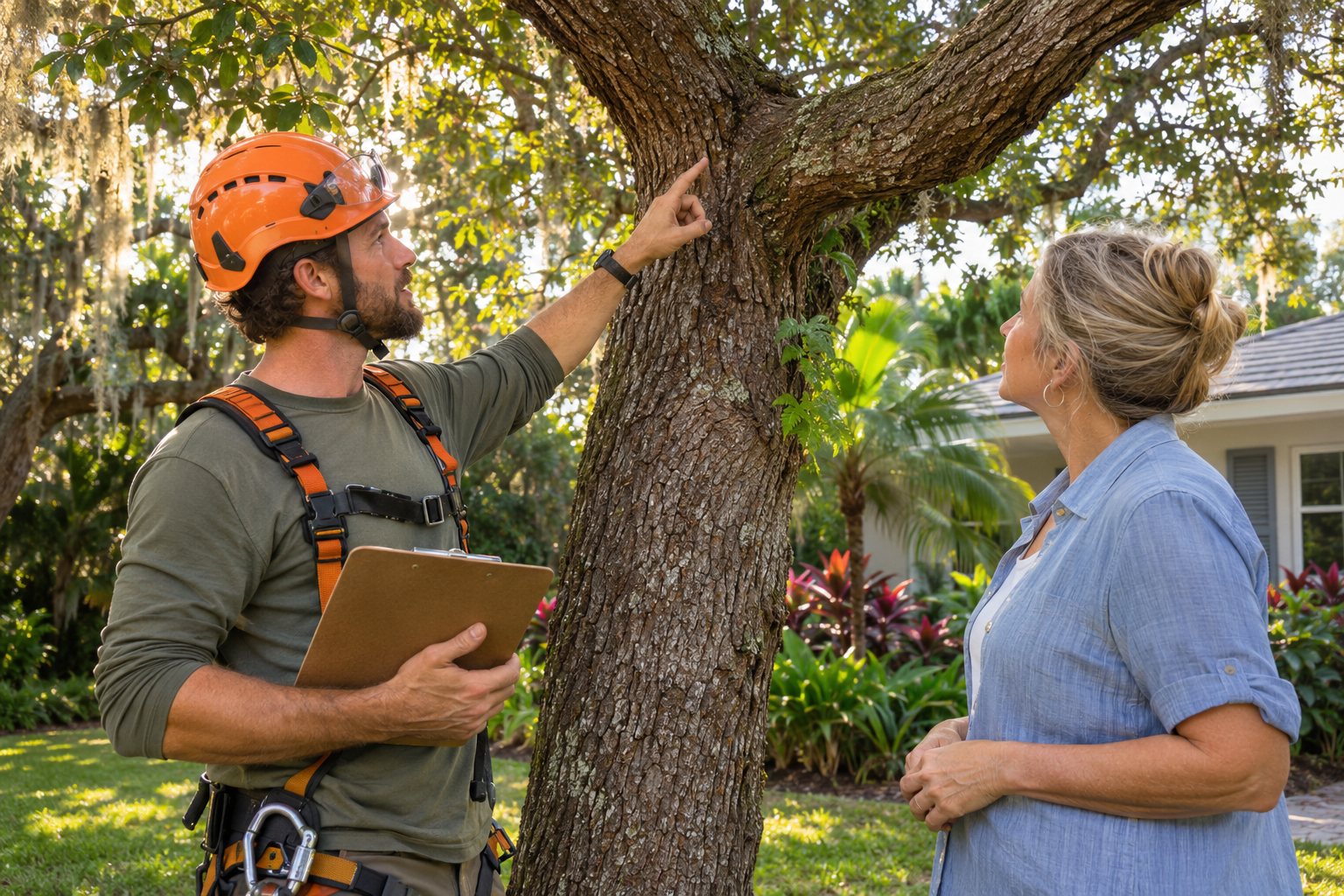
Parrish owners often ask about long access routes, selective clearing, trees near new construction, debris volume, and keeping rural driveways open after storms.
Distance changes travel for workers, logs, brush, and equipment. The surface, width, turnarounds, overhead clearance, and soft shoulders also matter. Showing the entire route during the estimate allows handling time and suitable equipment to be included in the price.
Yes, when they are marked clearly and can be protected from equipment and grade changes. Consider their condition, future wind exposure, distance from construction, and root zones. A retained tree should be part of the plan, not simply whatever happens to remain after clearing.
Discuss whether material will be chipped, hauled, stacked, cut for firewood, or left in a designated natural area. Each option affects equipment, labor, and the final use of the property. The written estimate should identify the chosen destination for brush, logs, and chips.
Parrish includes compact new communities and wide rural parcels, so an address alone may not reveal the work conditions. The map shows the general area; include access notes and the approximate location of the trees when requesting an estimate.
Tell Art's Tree Service which trees concern you, what result you want, and anything the crew should know about access. The on-site estimate is free.