
Tree Removal
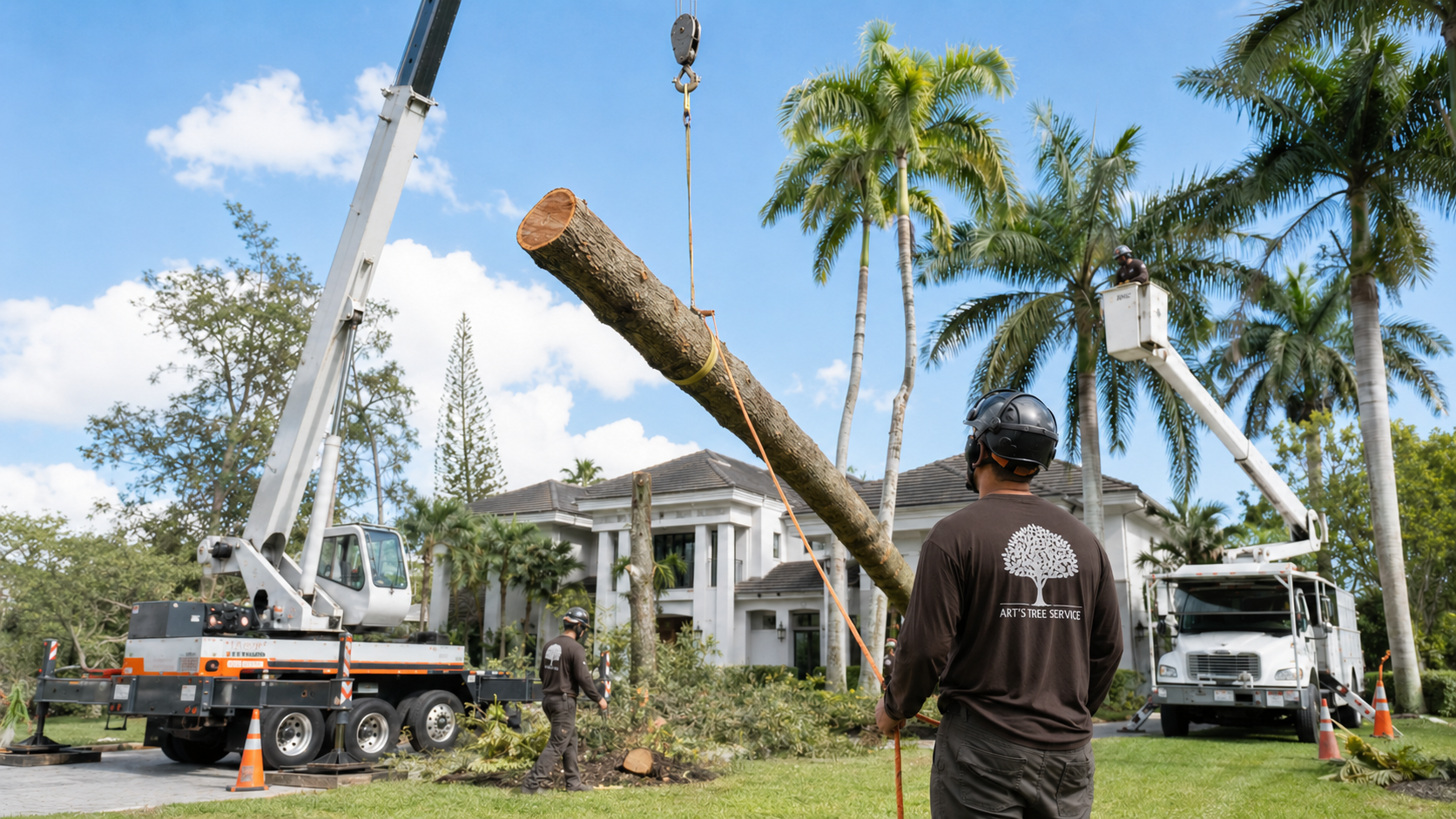
Plan controlled removal for dead, hazardous, storm-damaged, or unwanted trees, including access, rigging, debris, and optional stump work.
Explore Service
Nokomis moves quickly from Gulf-facing streets to wooded inland lots, and the trees change with it. Wind-exposed palms and pines may dominate one property, while live oaks shade the next. Septic areas, soft ground, fences, and long debris routes can matter as much as the tree itself. Art's Tree Service provides removal, pruning, palm trimming, stump grinding, storm cleanup, and tree-health support in Nokomis. A free site visit gives the crew enough context to recommend work that fits both the concern and the land around it.
The right starting point may be a palm trim, a pine assessment, selective oak pruning, stump grinding, or a complete removal. Review the service cards below, including a dedicated Nokomis tree-removal page for owners facing a dead, damaged, or poorly placed tree.
Plan controlled removal for dead, hazardous, storm-damaged, or unwanted trees, including access, rigging, debris, and optional stump work.
Explore Service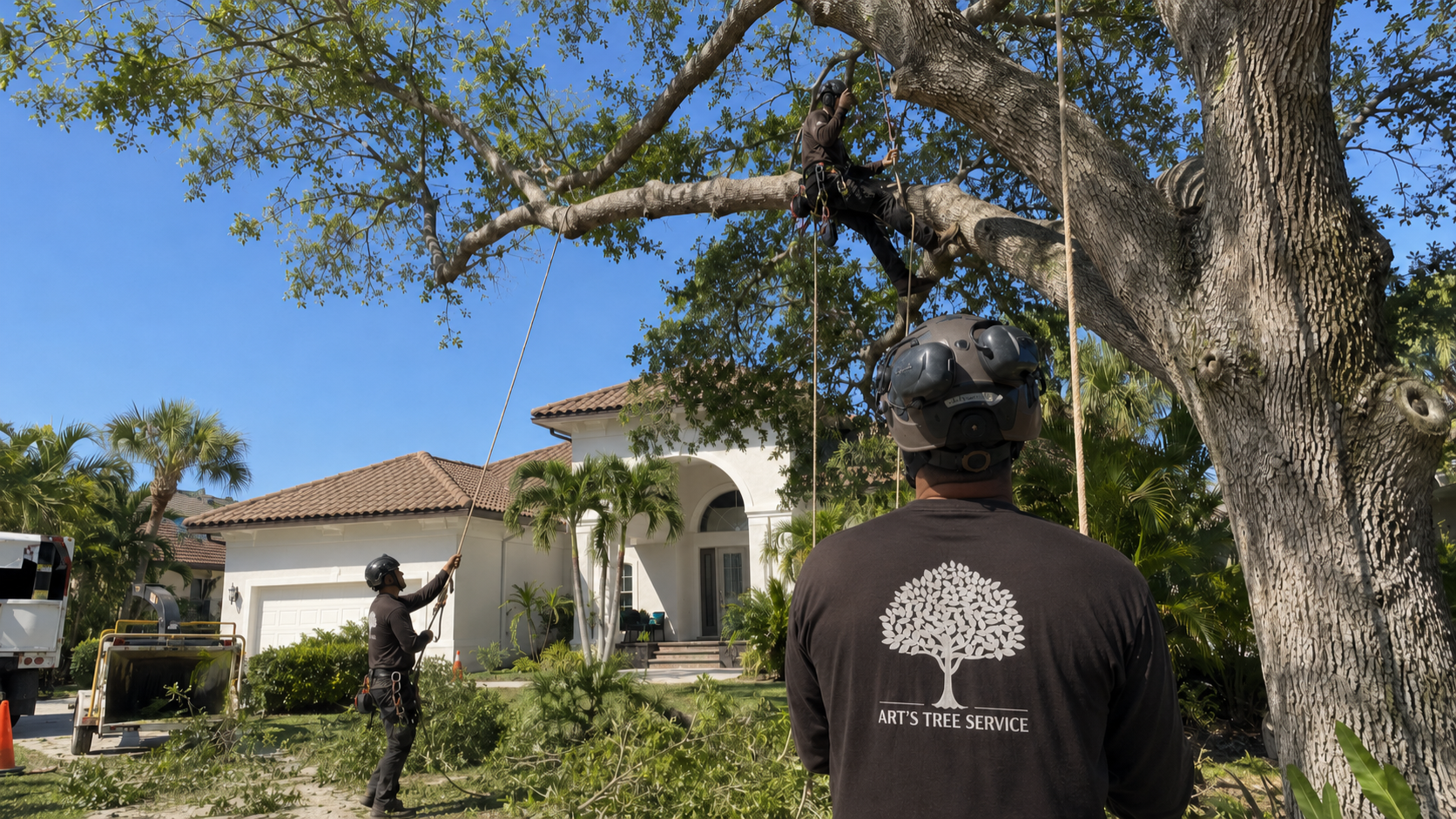
Improve clearance, canopy balance, and storm readiness by trimming damaged, overextended, or conflicting branches around the property.
Explore ServiceSupport tree structure and long-term health with selective pruning planned around the tree species, condition, growth pattern, and surroundings.
Explore Service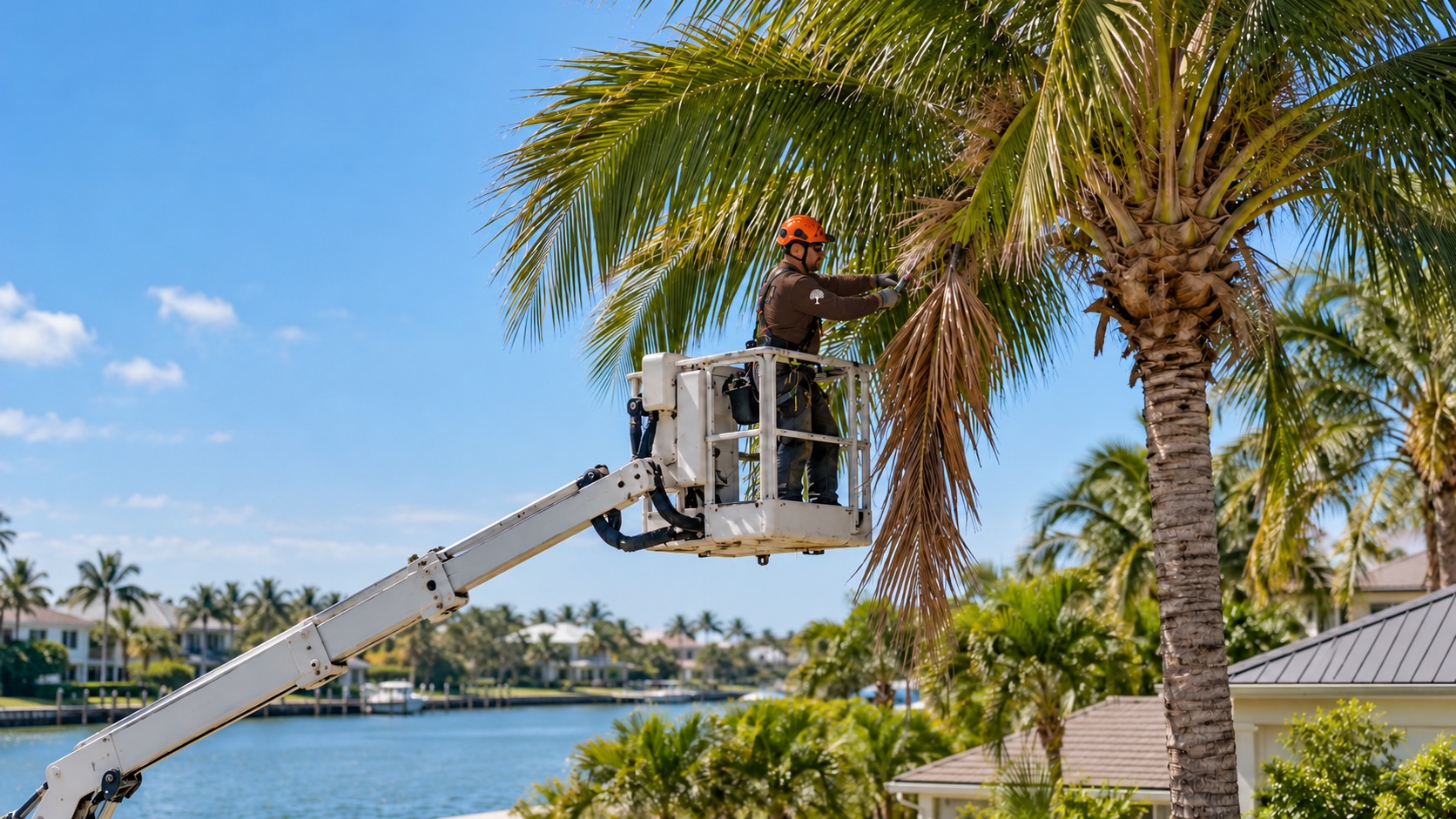
Remove dead or damaged fronds and hanging material while avoiding unnecessary cuts that can affect healthy palm growth.
Explore Service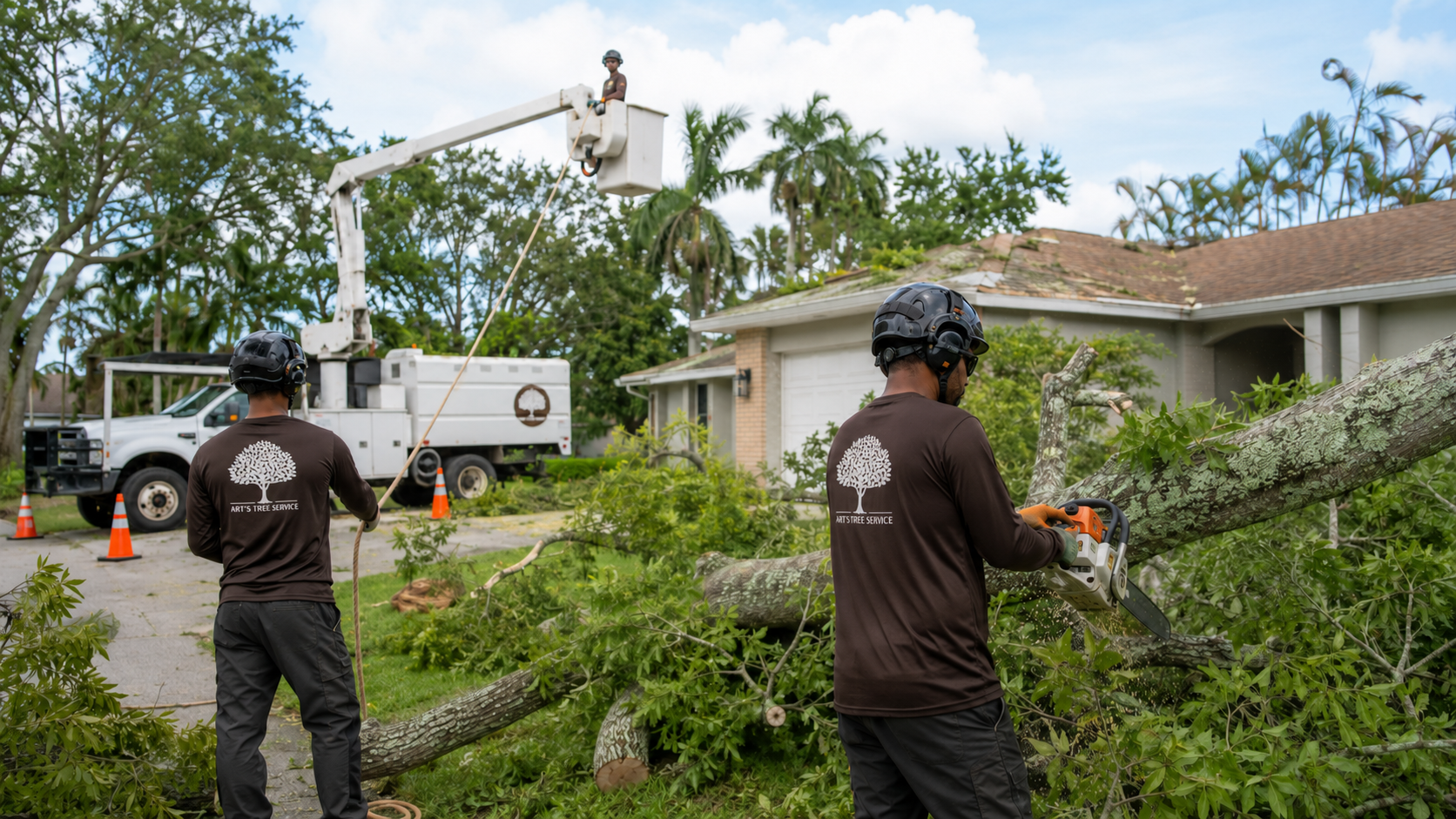
Respond to fallen, split, storm-damaged, or immediately hazardous trees with a plan for access, stabilization, removal, and cleanup.
Explore Service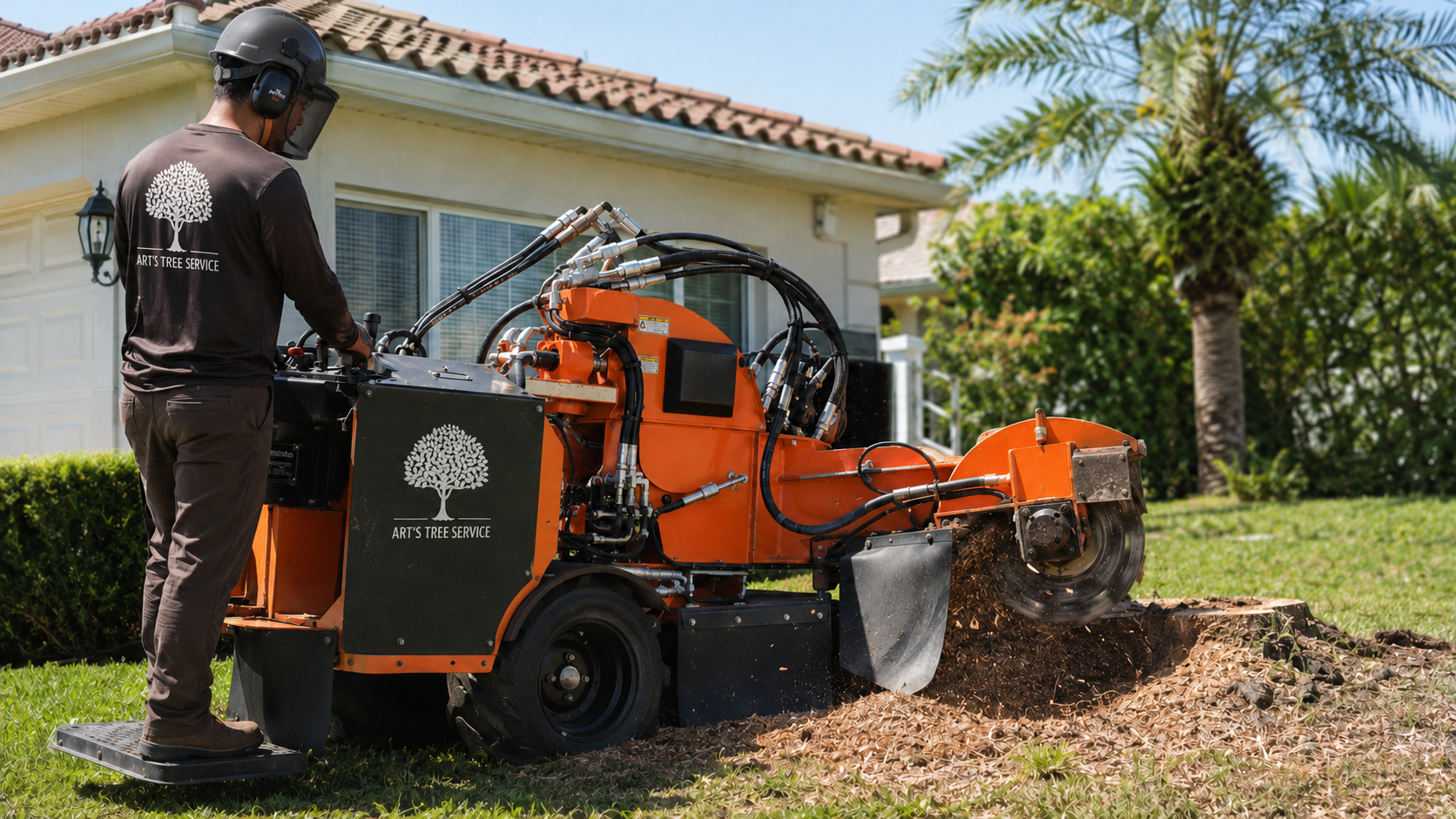
Reclaim usable space and reduce trip or mowing obstacles by defining how the stump, grindings, and surface roots are handled.
Explore Service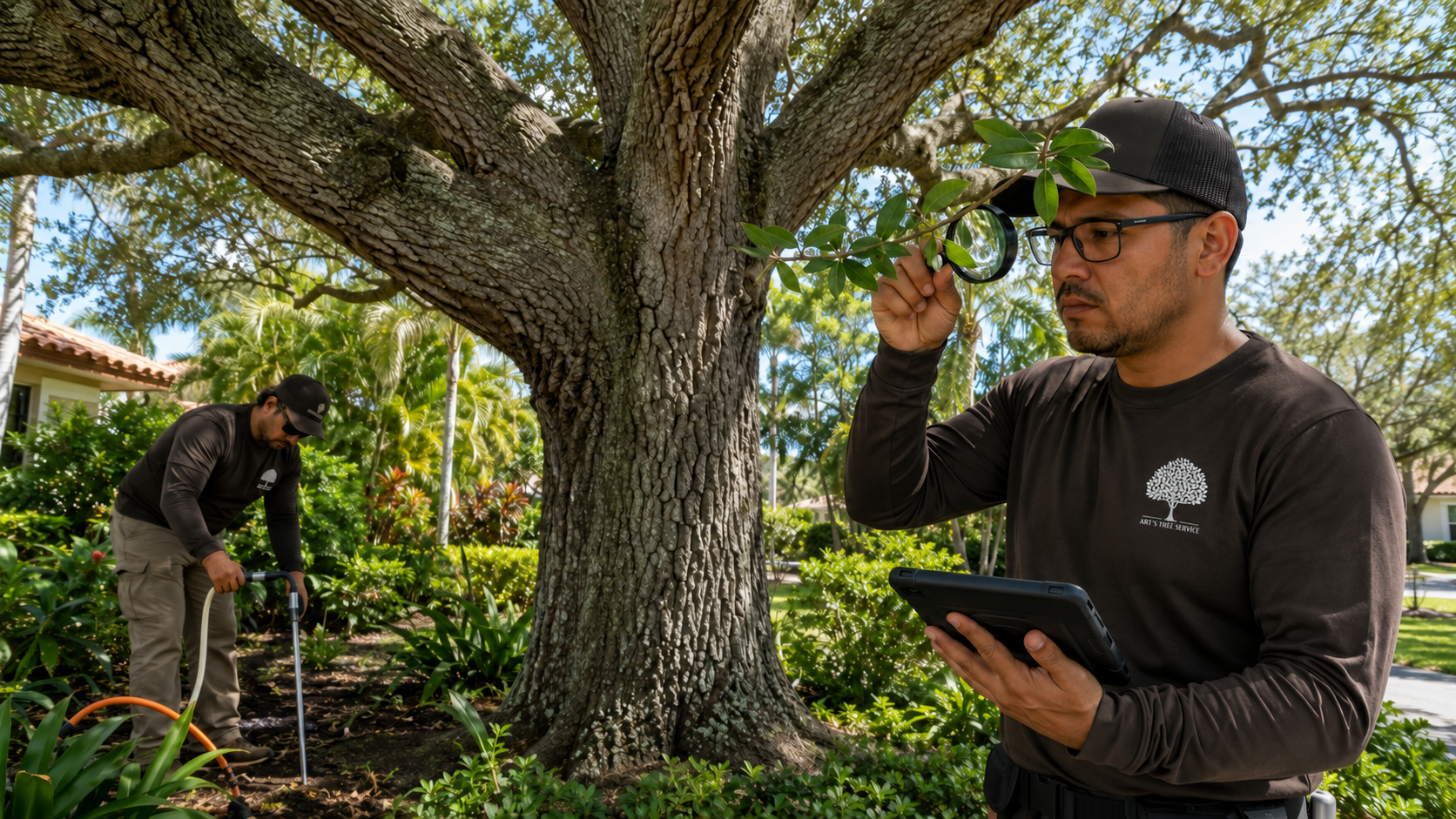
Review decline, pests, disease symptoms, root concerns, or structural questions and identify practical care or monitoring options.
Explore Service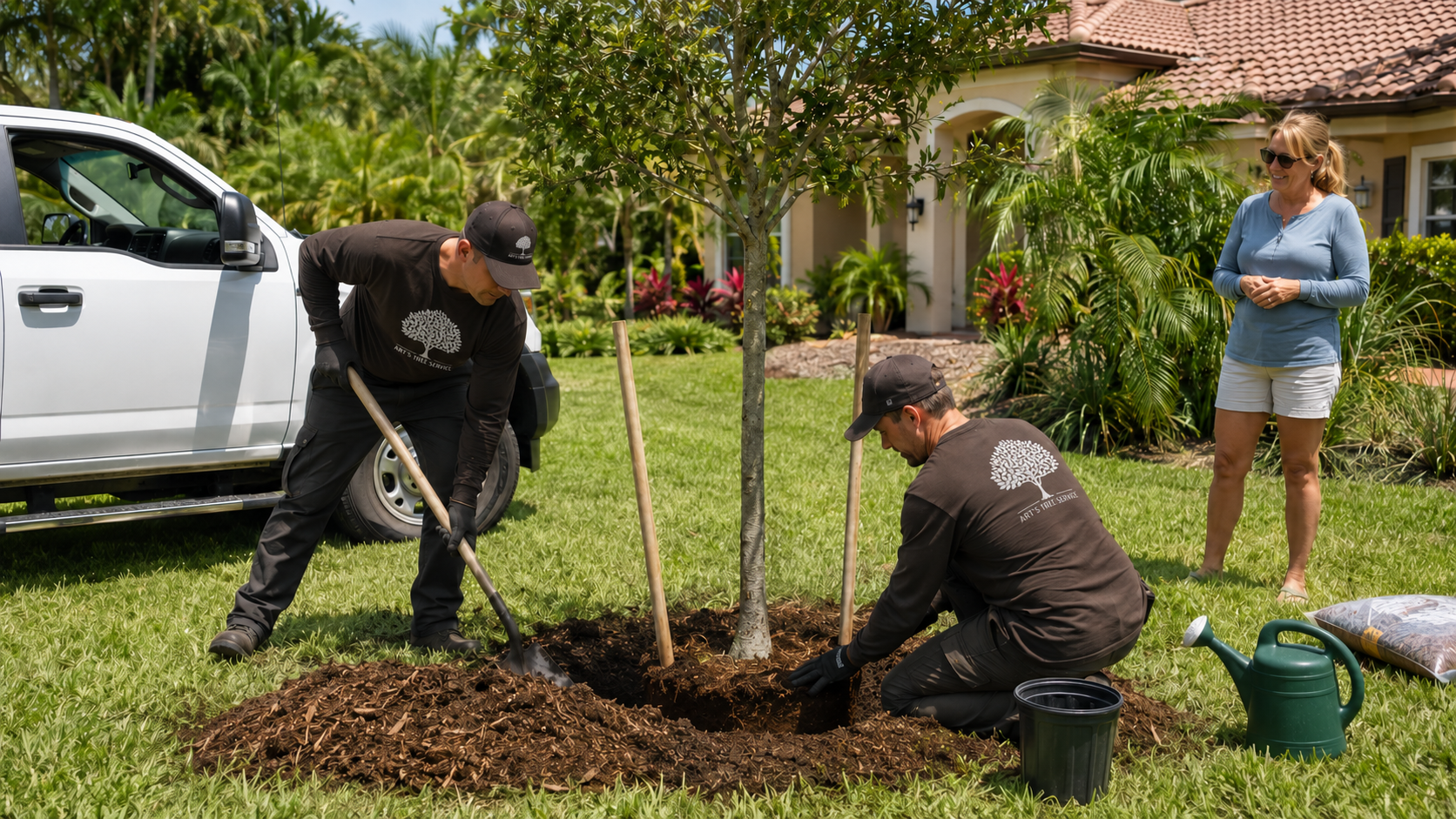
Choose an appropriate tree, placement, and installation approach for Southwest Florida growing conditions and the available property space.
Explore Service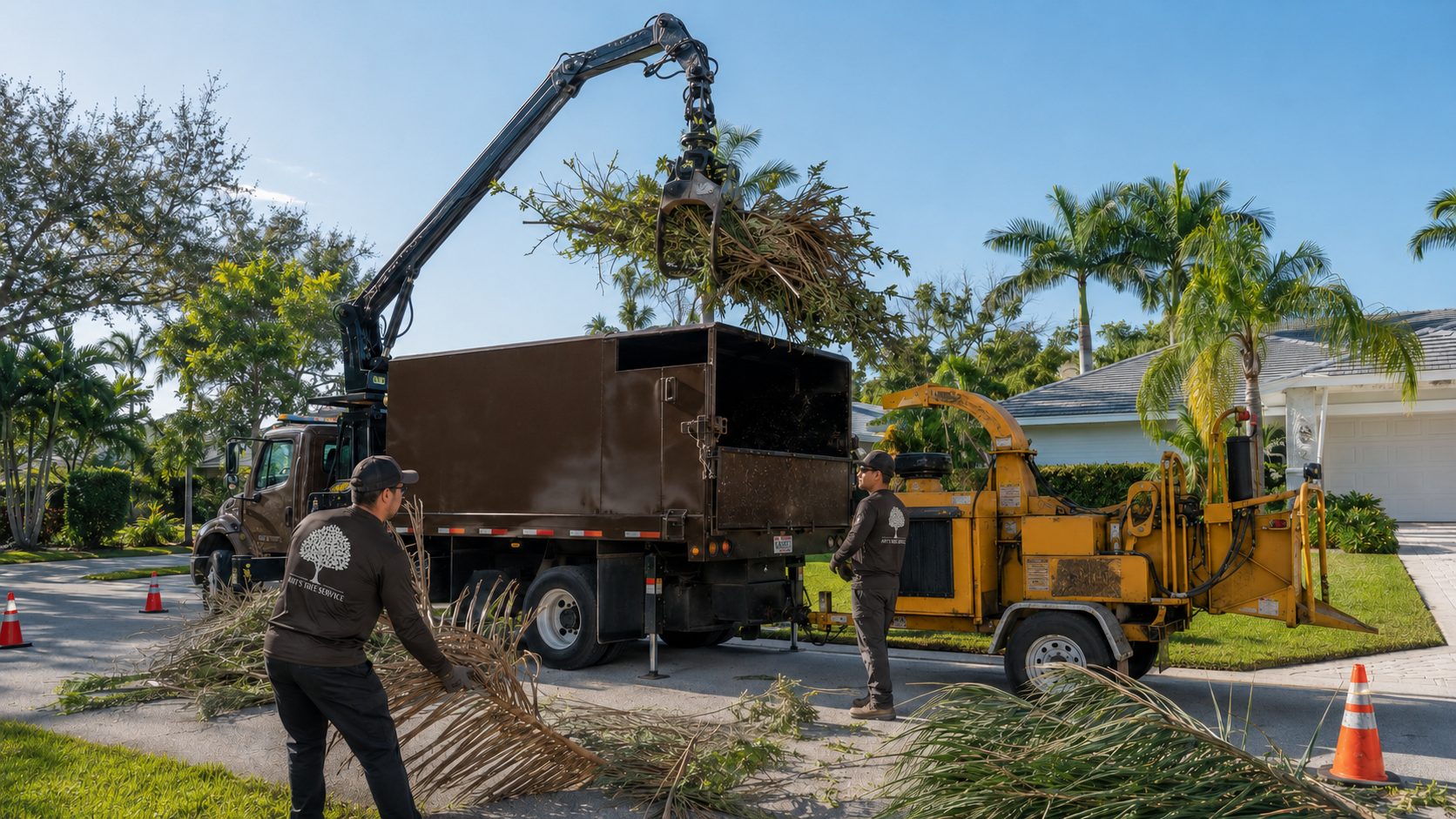
Clear limbs, brush, logs, and storm debris with an agreed plan for loading, haul-away, and the condition of the area afterward.
Explore Service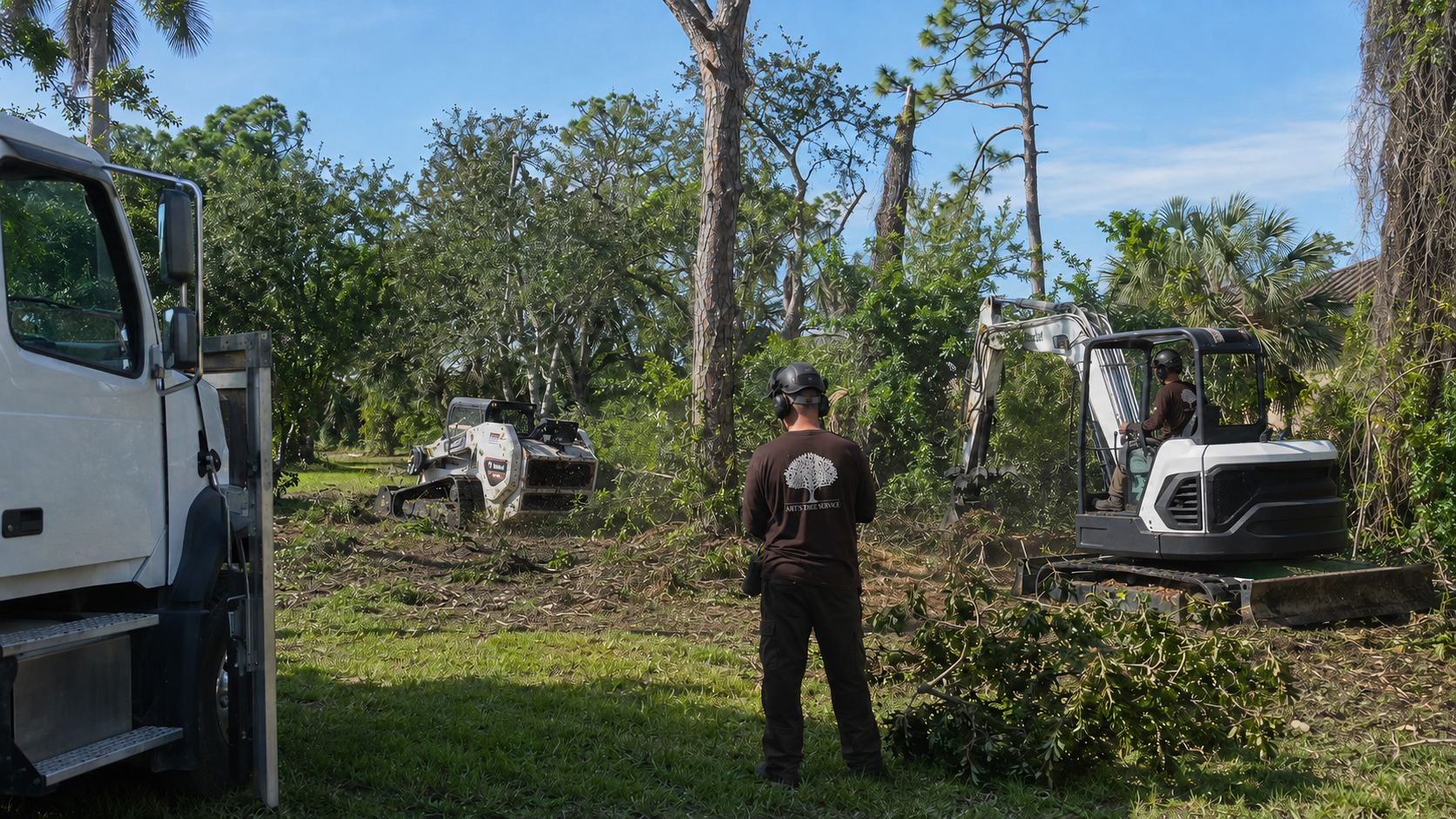
Coordinate tree, brush, and vegetation clearing for construction, landscaping, access, or property cleanup with a defined finished scope.
Explore Service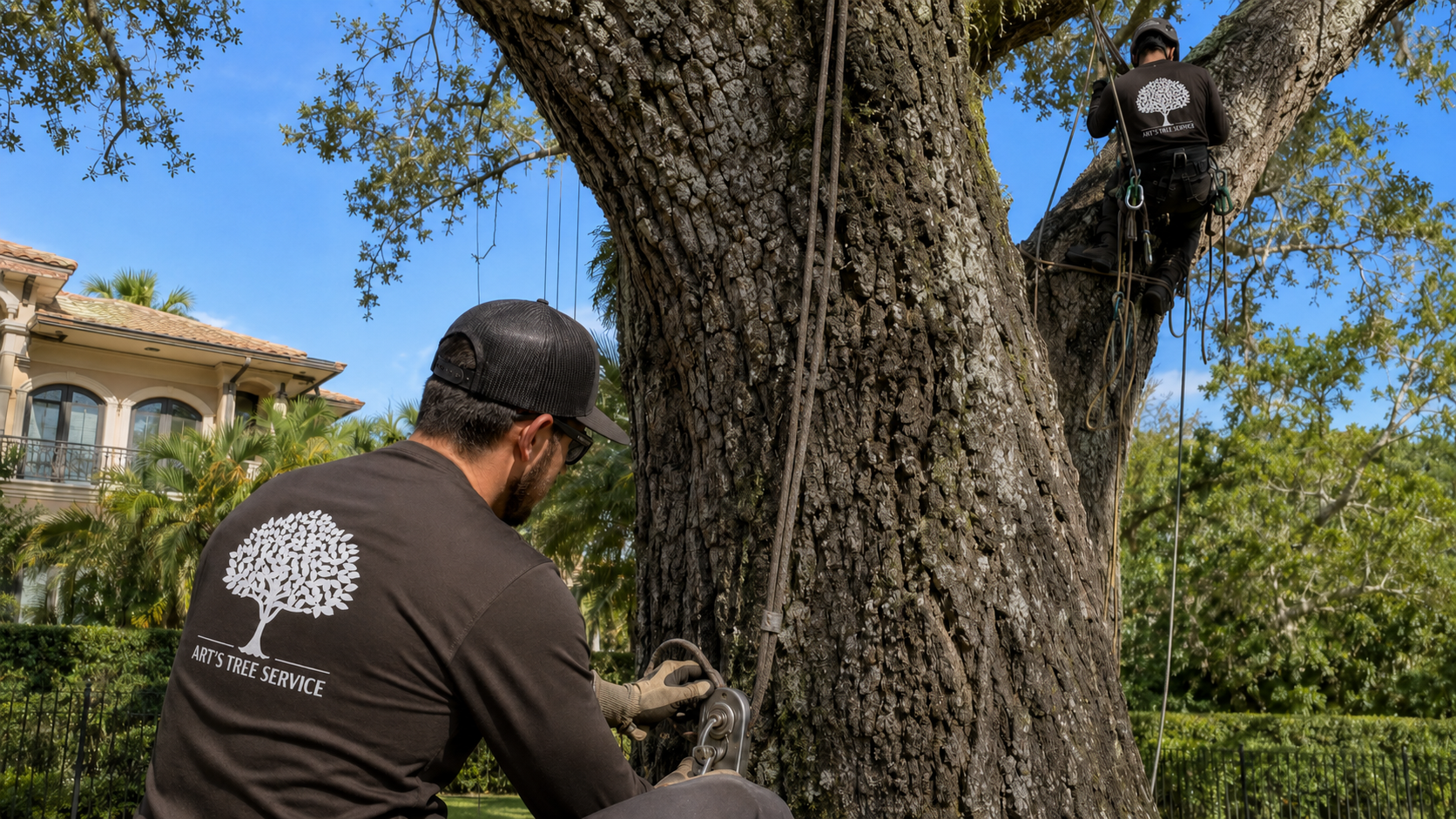
Explore professionally installed lightning-protection systems for valuable mature trees in exposed Southwest Florida landscapes.
Explore Service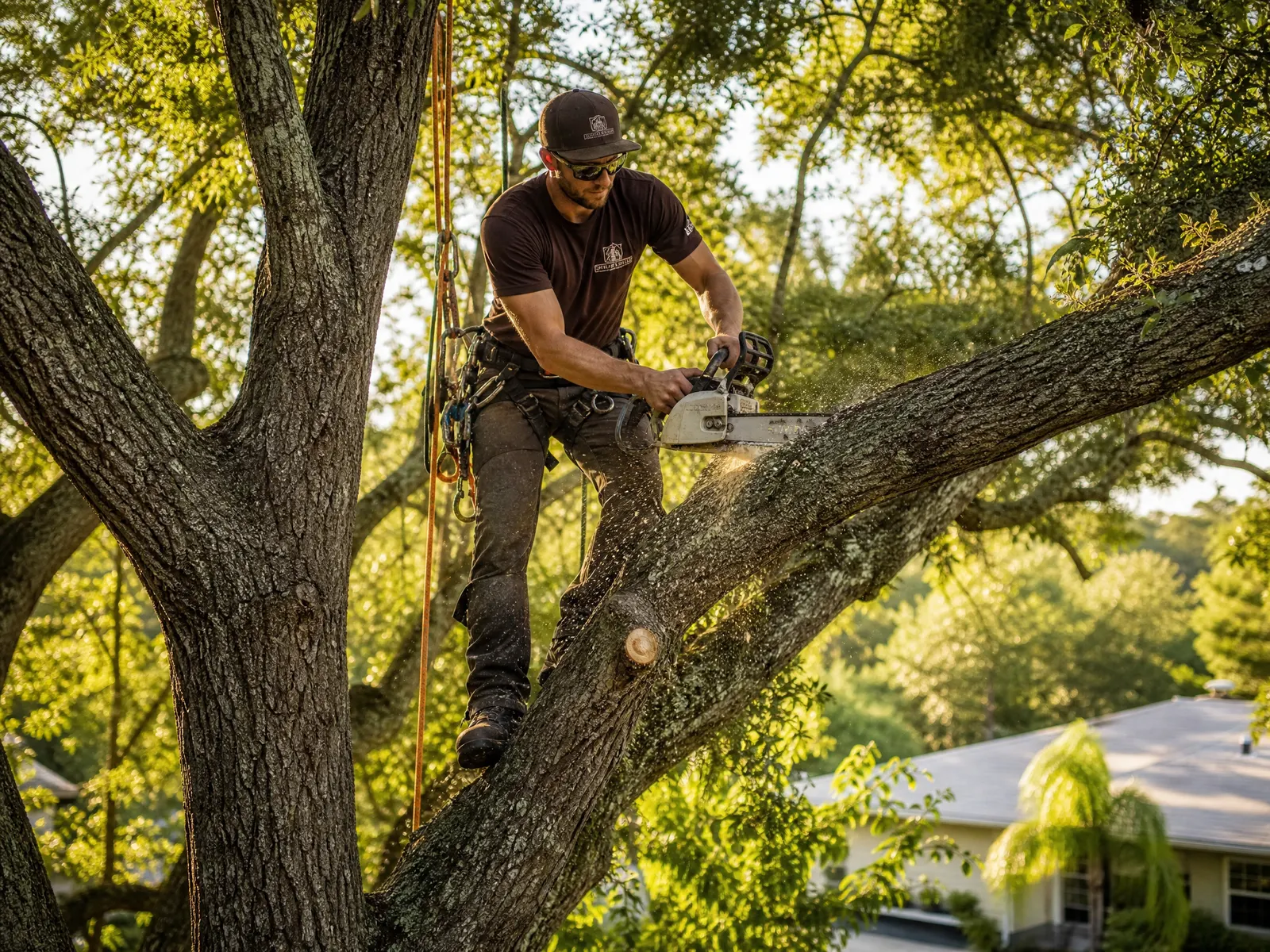
Arrange credentialed guidance for tree-health questions, risk observations, pruning decisions, preservation priorities, and long-term care planning.
Explore ServiceStraightforward tree care that respects the whole property.
Soft soil, drainage swales, and septic areas influence where equipment can travel and where heavy wood can be staged. Identifying those limits before scheduling helps protect the yard and avoids choosing an approach that only works on dry, open ground.
A pine with a damaged top, a palm with hanging fronds, and an oak with crossing limbs do not benefit from the same cuts. The service plan can address the biology and growth pattern of each tree instead of applying one generic trimming style across the property.
When a tree comes out, the owner can decide whether the stump should remain, be cut low, or be ground for future use of the area. Discussing that choice during the removal estimate prevents a finished cutting job from leaving an unexpected obstacle behind.
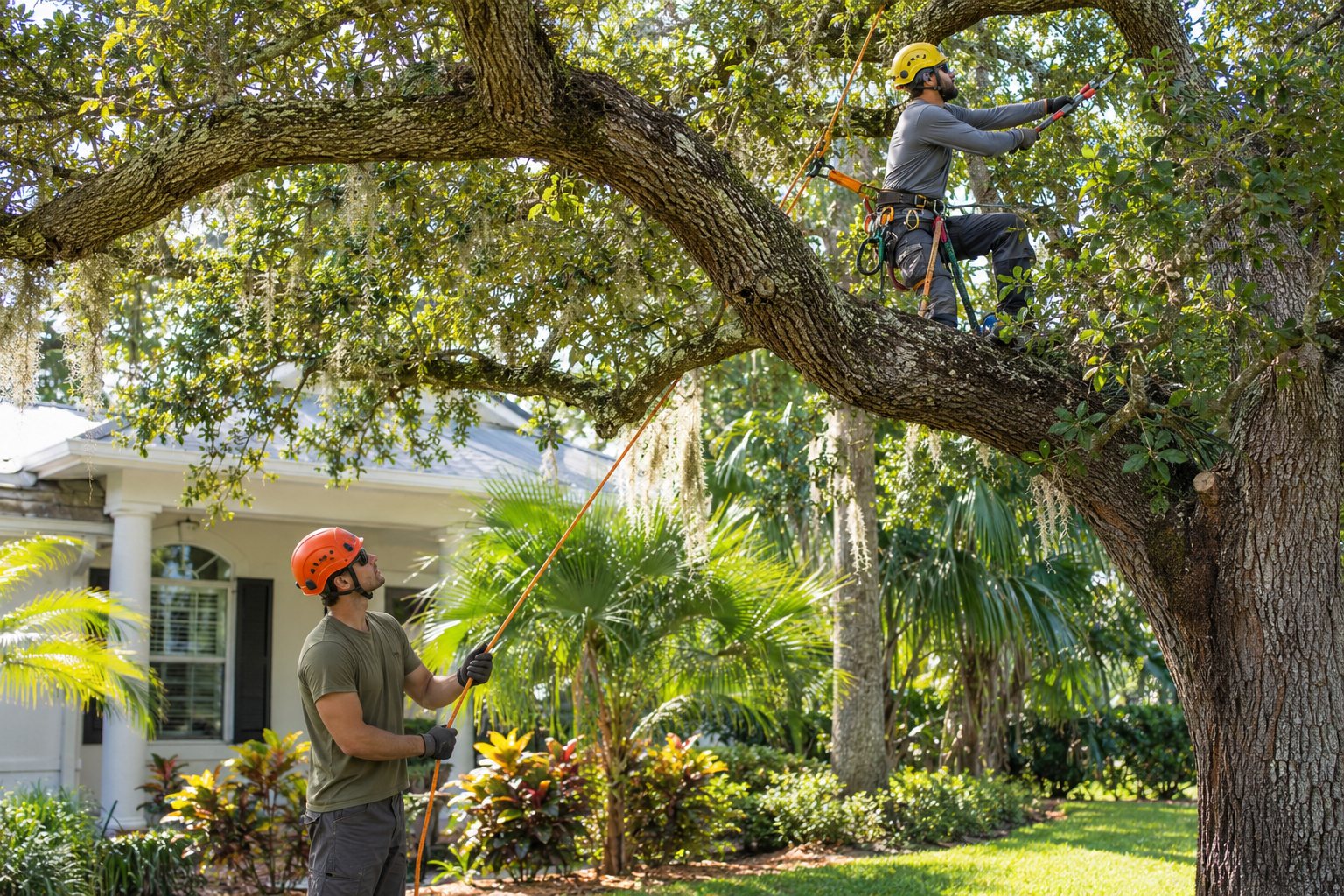
Wind exposure and changing soil conditions deserve attention.
A broken top, hanging leader, or sparse upper crown may be difficult to evaluate from a doorway. A closer inspection can determine whether the issue is isolated, whether nearby targets are exposed, and whether the tree should be pruned, monitored, or removed.
Coastal exposure followed by a dry spell may produce browning or thinning that resembles other problems. Good tree care begins by considering weather, species, drainage, and the pattern of symptoms before choosing a treatment or making irreversible cuts.
On larger Nokomis parcels, the distance from the tree to the road or chipper can shape labor and cleanup. A planned route keeps logs and brush from spreading across the property and allows the estimate to reflect the actual handling work required.
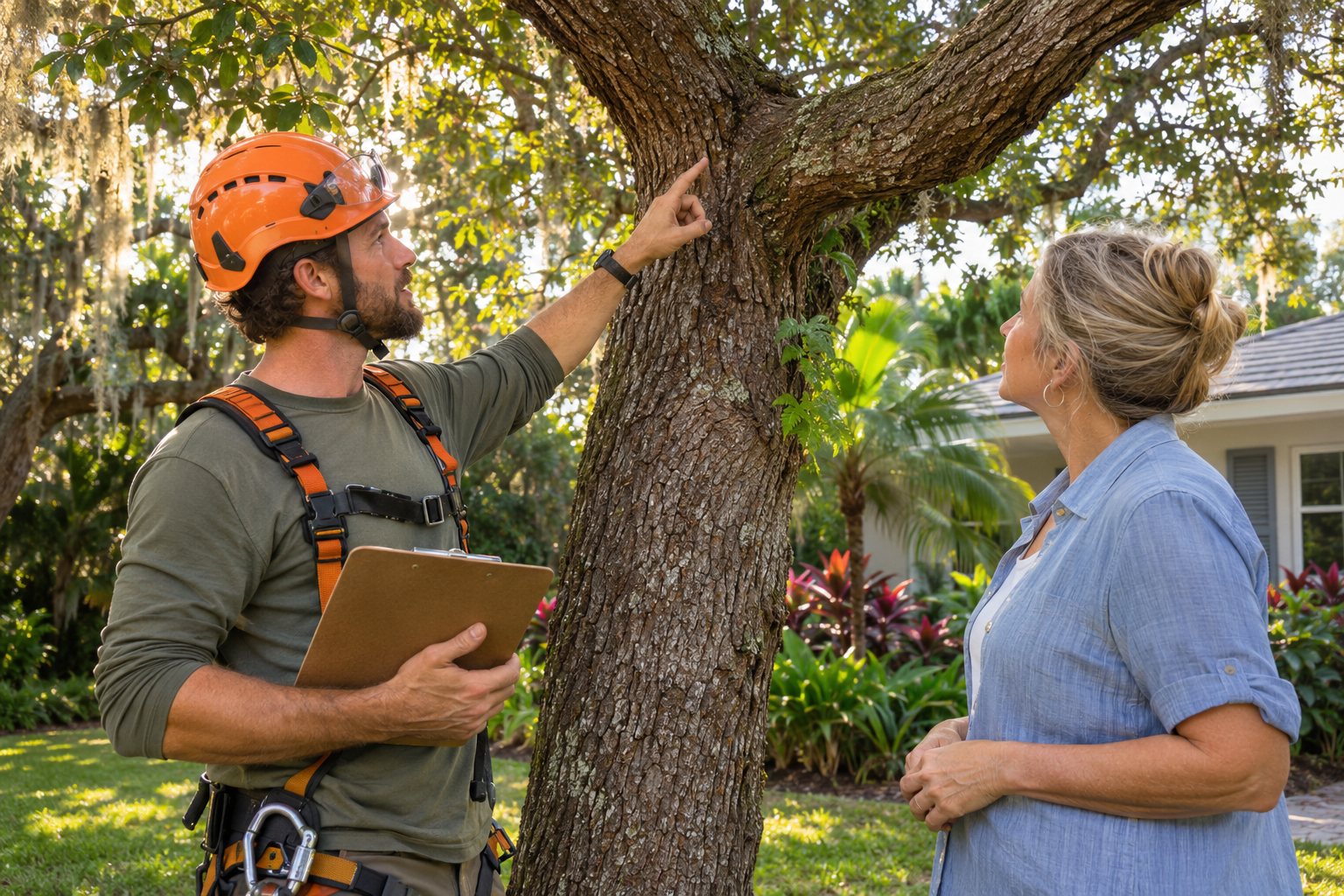
These Nokomis answers focus on septic areas, tall pines, coastal stress, stump choices, and the practical details that affect work on wooded or larger lots.
That should not be assumed. Tanks, drain fields, and soft soil can be damaged by heavy equipment. Mark known septic components and share available records during the estimate so the crew can consider another route, smaller equipment, or hand-moving material where necessary.
Look for a newly broken or thin top, large dead branches, fresh trunk cracks, mushrooms near the base, soil lifting, or a lean that appeared after heavy weather. Brown needles alone can have several causes, so the pattern and the tree's structural condition both matter.
Schedule it together when the area needs to be mowed, landscaped, replanted, or cleared for another use. Leaving the stump may be reasonable in an out-of-the-way natural area. The estimate should state the grinding depth, how chips are handled, and whether visible surface roots are included.
Nokomis coverage spans coastal streets, established neighborhoods, and wooded inland properties. The map gives a broad view of the community, while the address and site details allow the team to confirm the service route and prepare for access conditions.
For local information, visit Nokomis community overview.
Tell Art's Tree Service which trees concern you, what result you want, and anything the crew should know about access. The on-site estimate is free.