
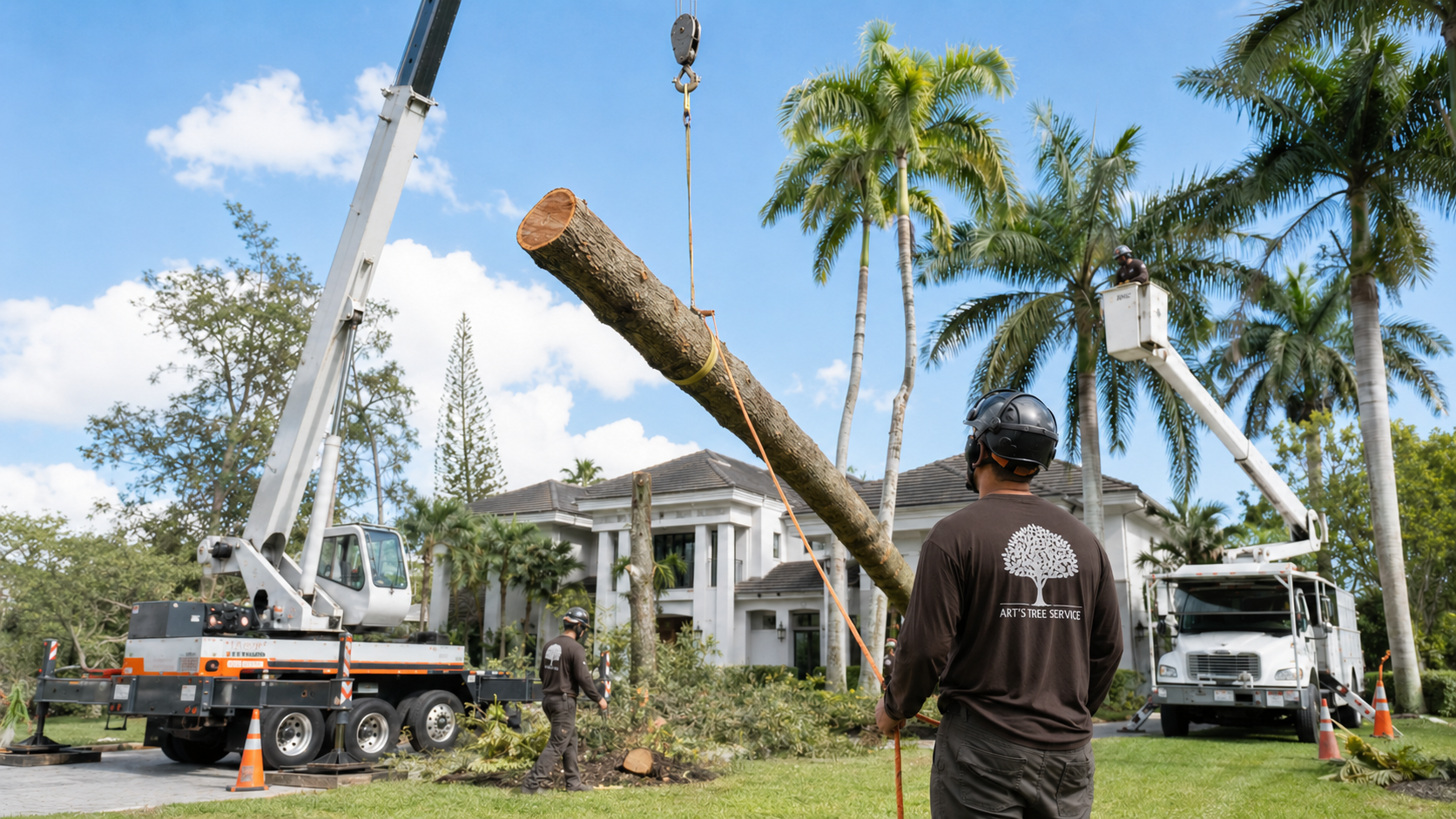
Tree Removal
Plan controlled removal for dead, hazardous, storm-damaged, or unwanted trees, including access, rigging, debris, and optional stump work.
Explore Service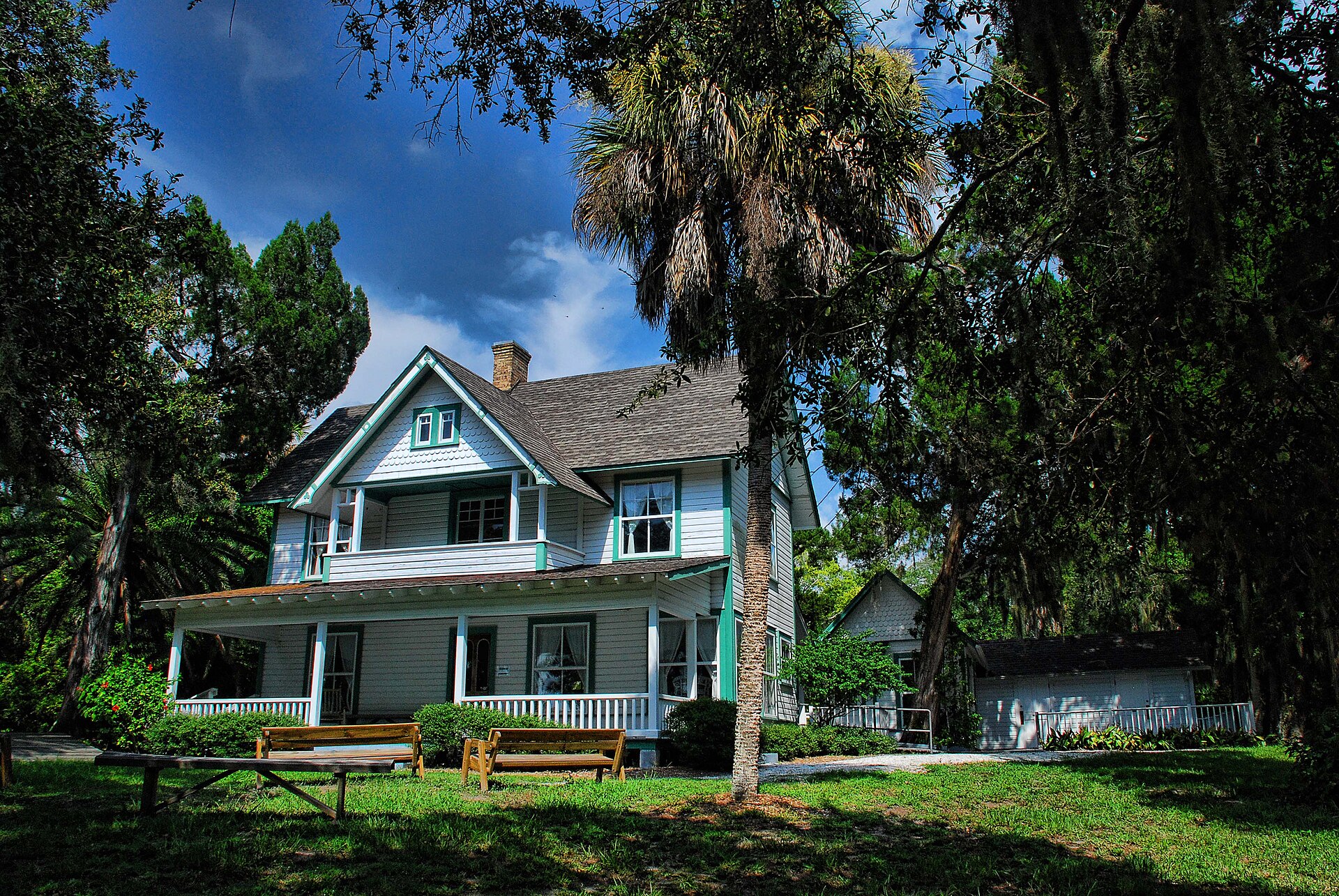
Osprey's wooded lots and coastal setting create close relationships between trees, homes, lanais, septic areas, and established landscaping. A broad canopy may be an asset until deadwood develops over a roof or access narrows around a fence line. Art's Tree Service handles trimming, pruning, removal, palm care, stump grinding, storm cleanup, and tree-health questions in Osprey. Each estimate begins on the ground, where the crew can see the approach to the tree and decide how the work can move through the property without treating the yard like an open jobsite.
Tree work on an Osprey lot can range from selective canopy care to a tightly controlled removal. The service cards explain the available options and help owners identify whether their first concern is clearance, health, storm damage, debris, a stump, or a complete removal plan.
Plan controlled removal for dead, hazardous, storm-damaged, or unwanted trees, including access, rigging, debris, and optional stump work.
Explore Service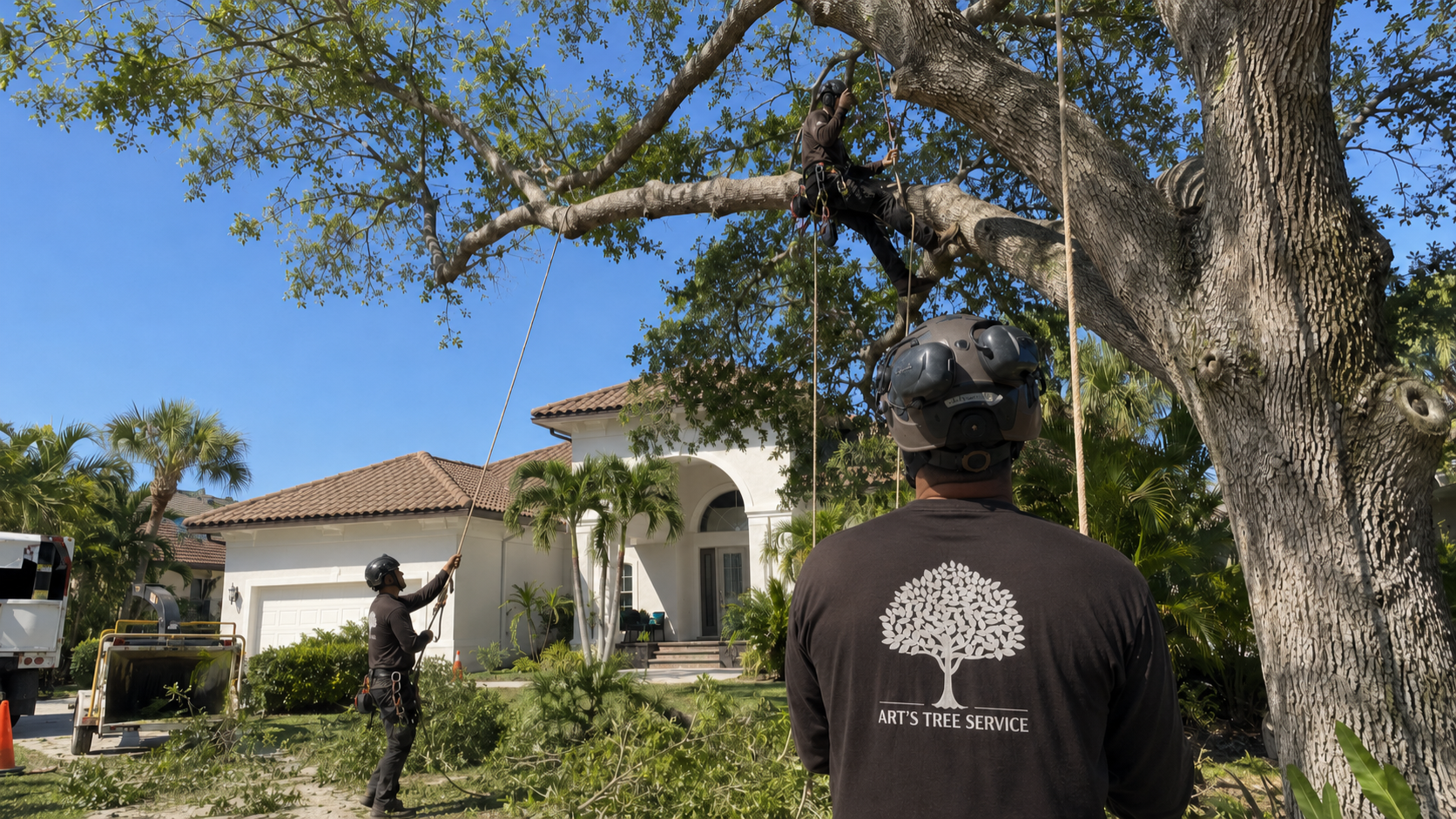
Improve clearance, canopy balance, and storm readiness by trimming damaged, overextended, or conflicting branches around the property.
Explore ServiceSupport tree structure and long-term health with selective pruning planned around the tree species, condition, growth pattern, and surroundings.
Explore Service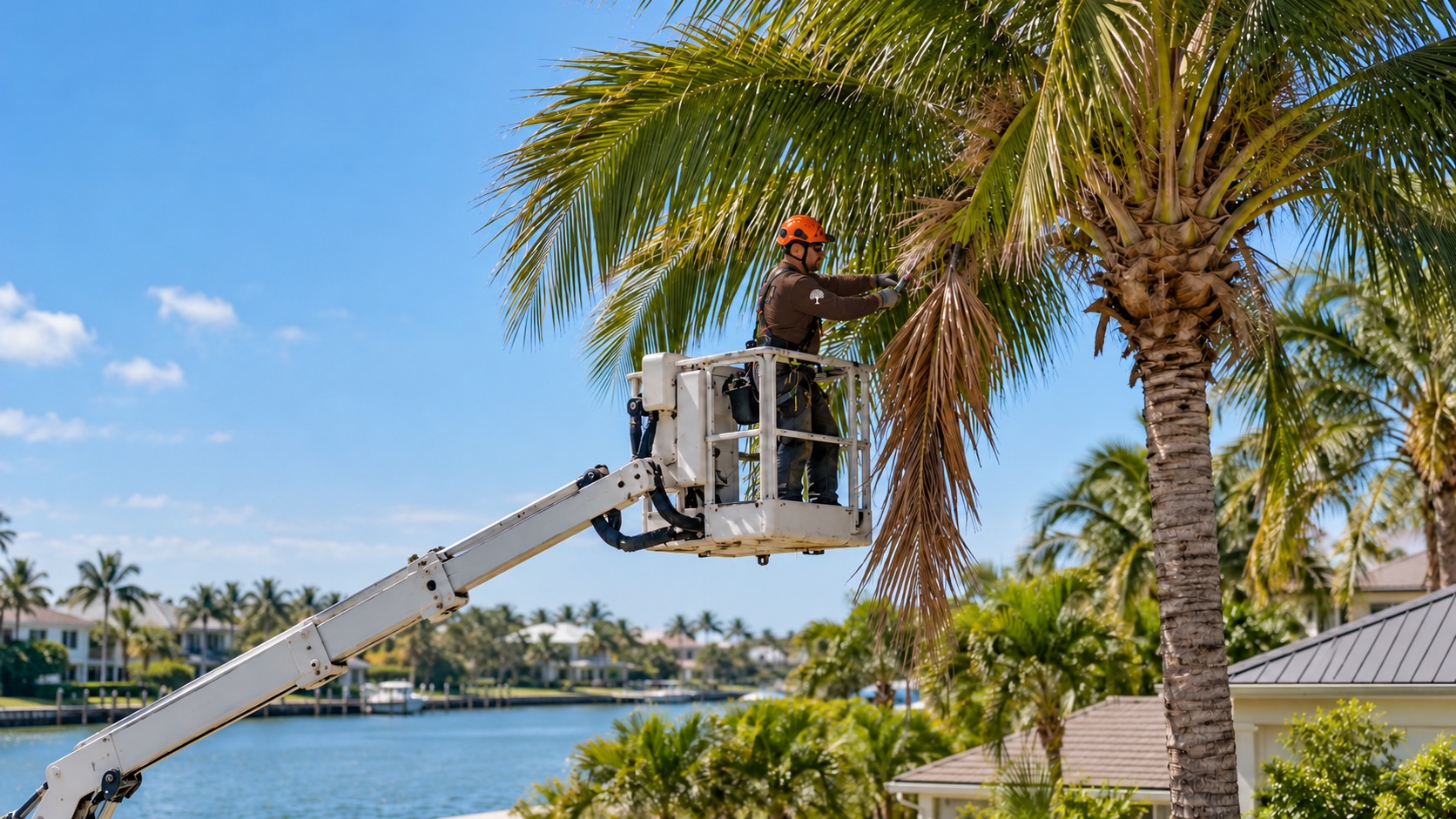
Remove dead or damaged fronds and hanging material while avoiding unnecessary cuts that can affect healthy palm growth.
Explore Service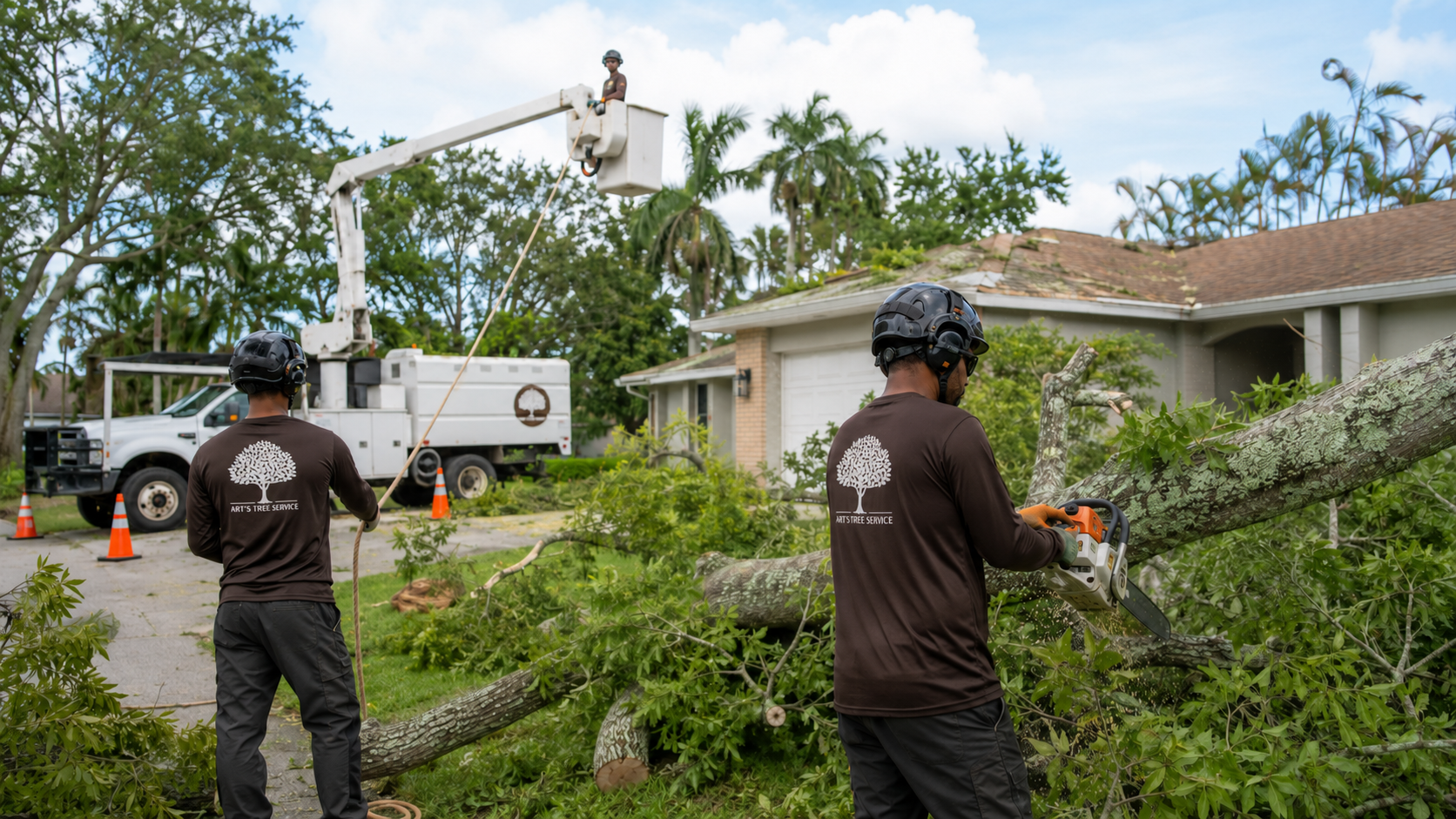
Respond to fallen, split, storm-damaged, or immediately hazardous trees with a plan for access, stabilization, removal, and cleanup.
Explore Service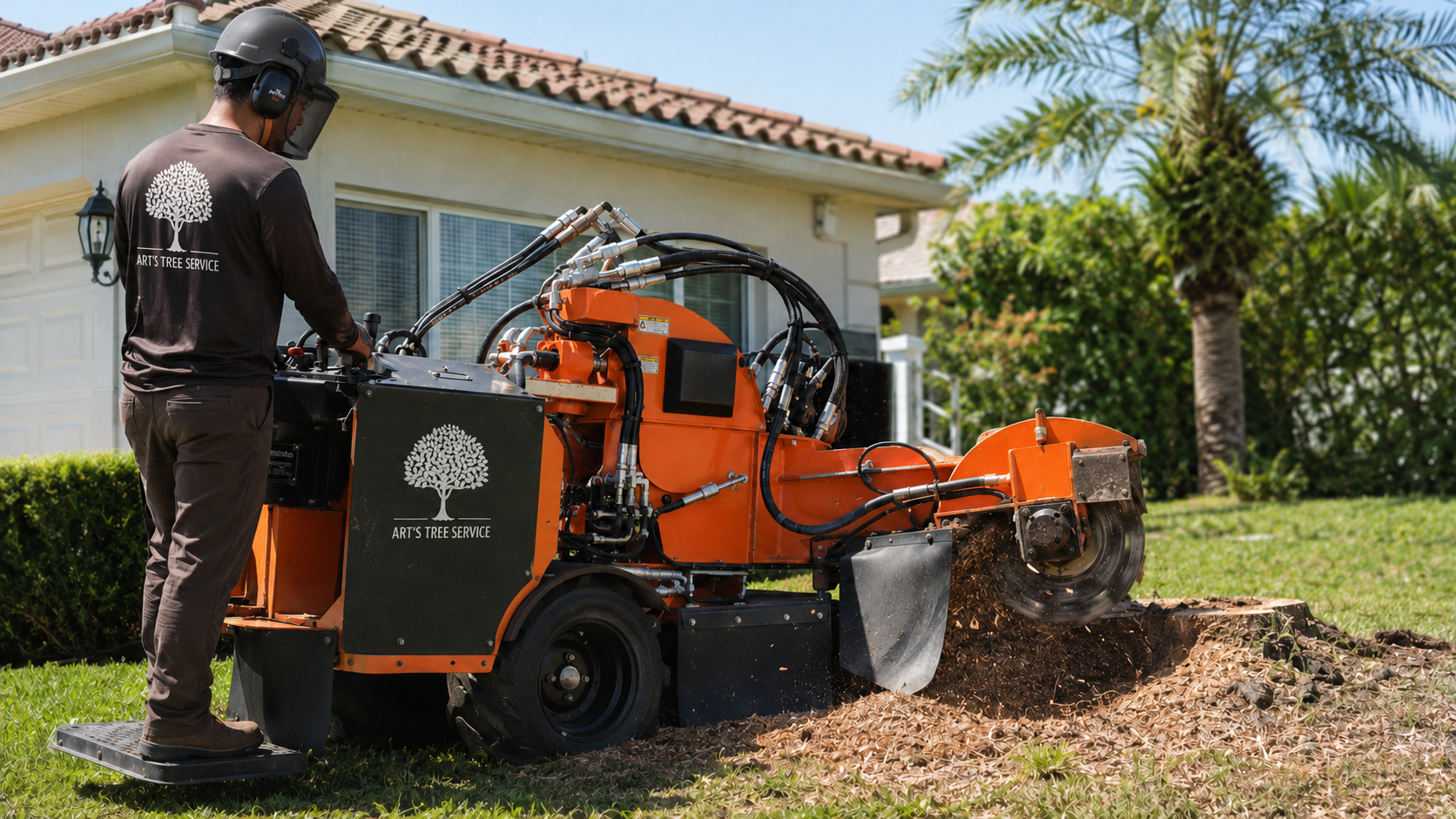
Reclaim usable space and reduce trip or mowing obstacles by defining how the stump, grindings, and surface roots are handled.
Explore Service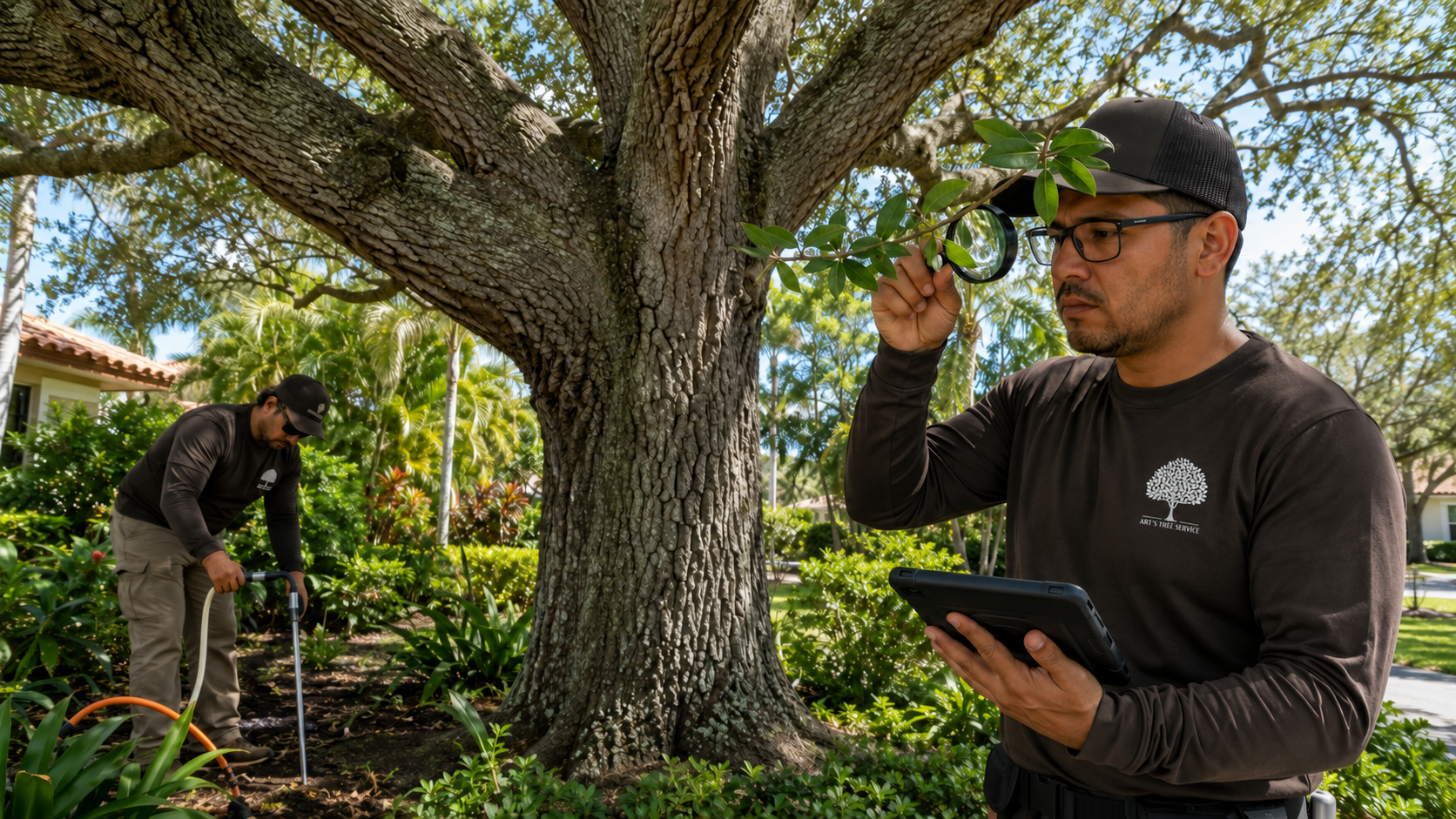
Review decline, pests, disease symptoms, root concerns, or structural questions and identify practical care or monitoring options.
Explore Service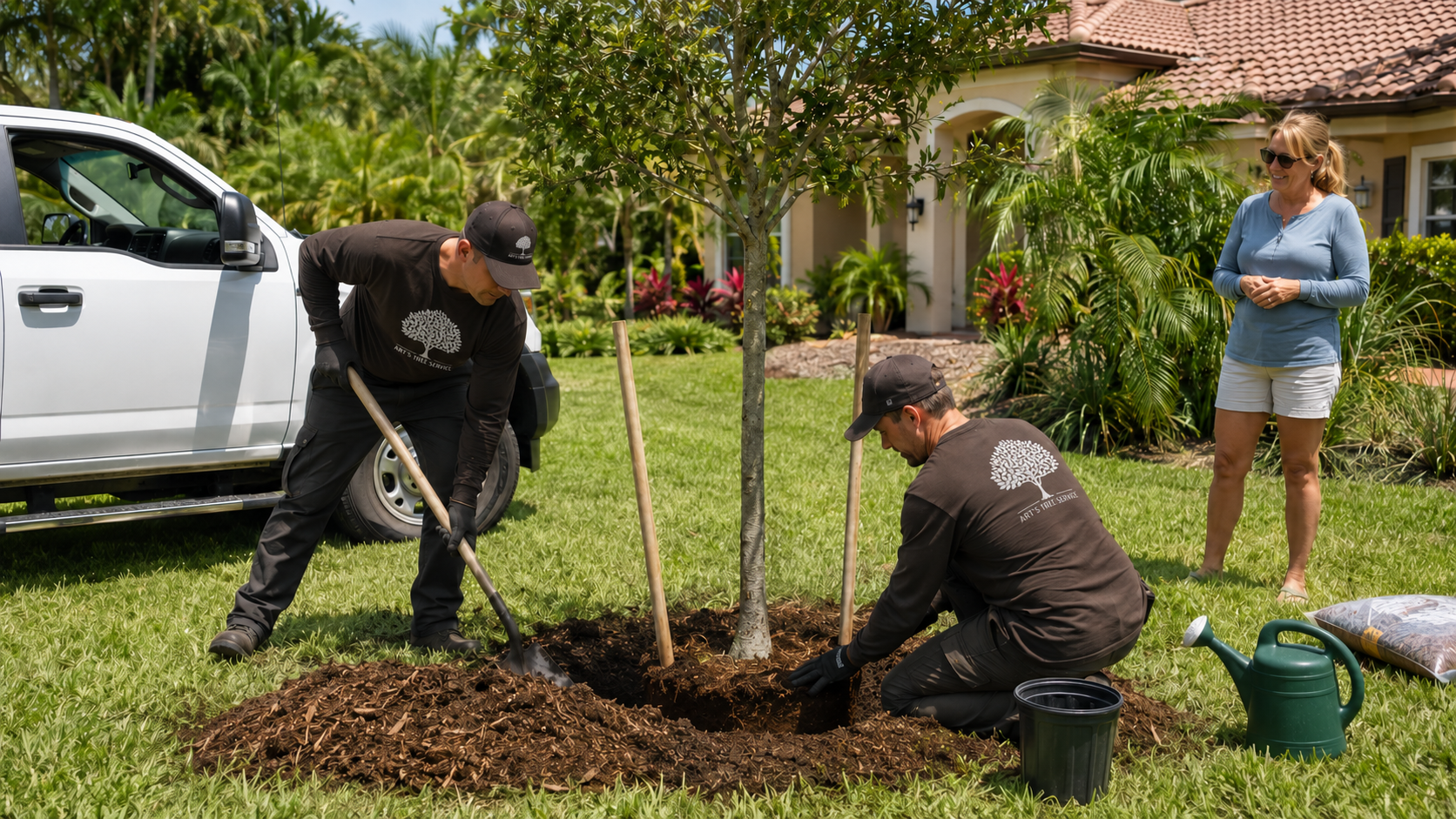
Choose an appropriate tree, placement, and installation approach for Southwest Florida growing conditions and the available property space.
Explore Service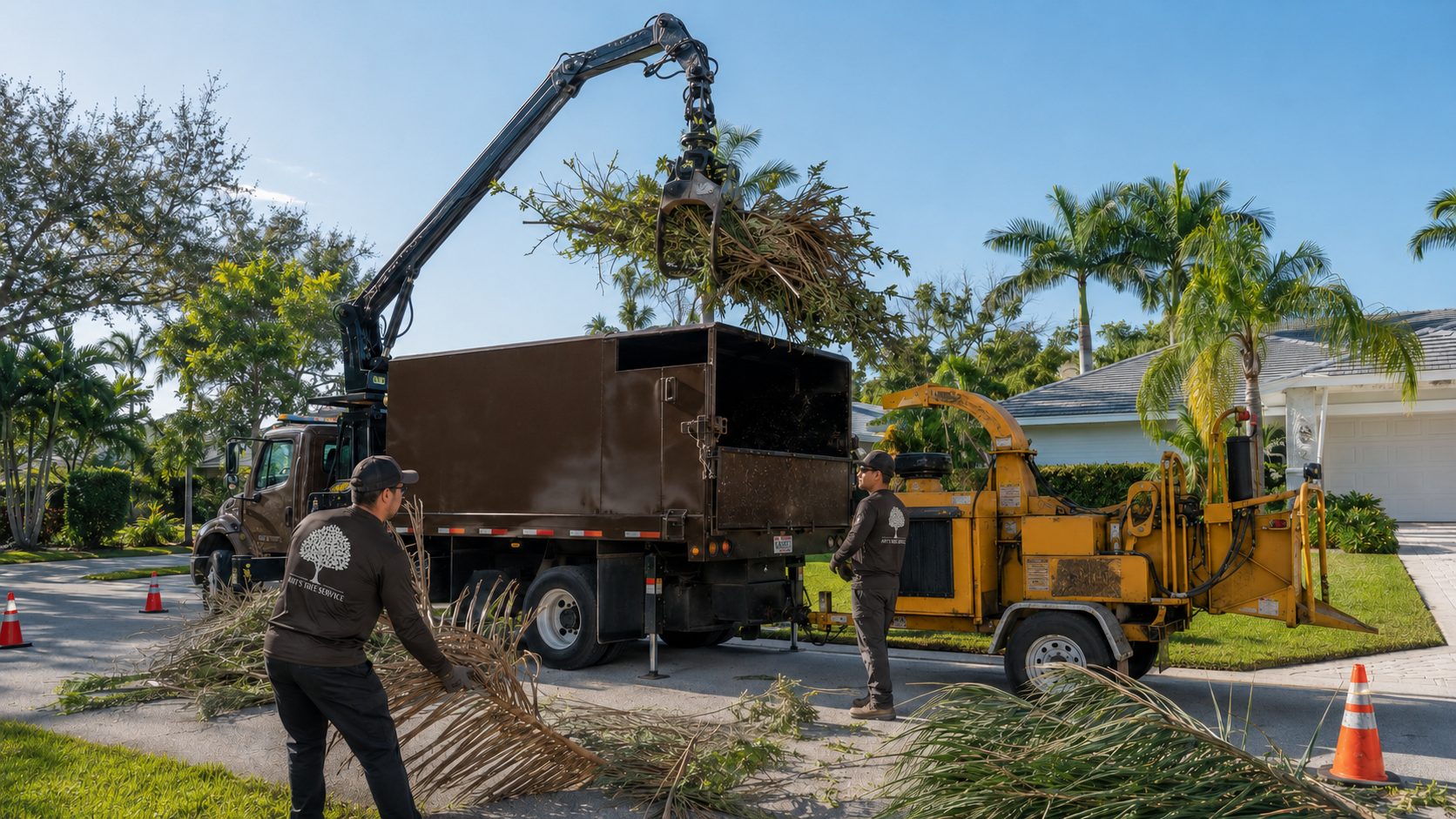
Clear limbs, brush, logs, and storm debris with an agreed plan for loading, haul-away, and the condition of the area afterward.
Explore Service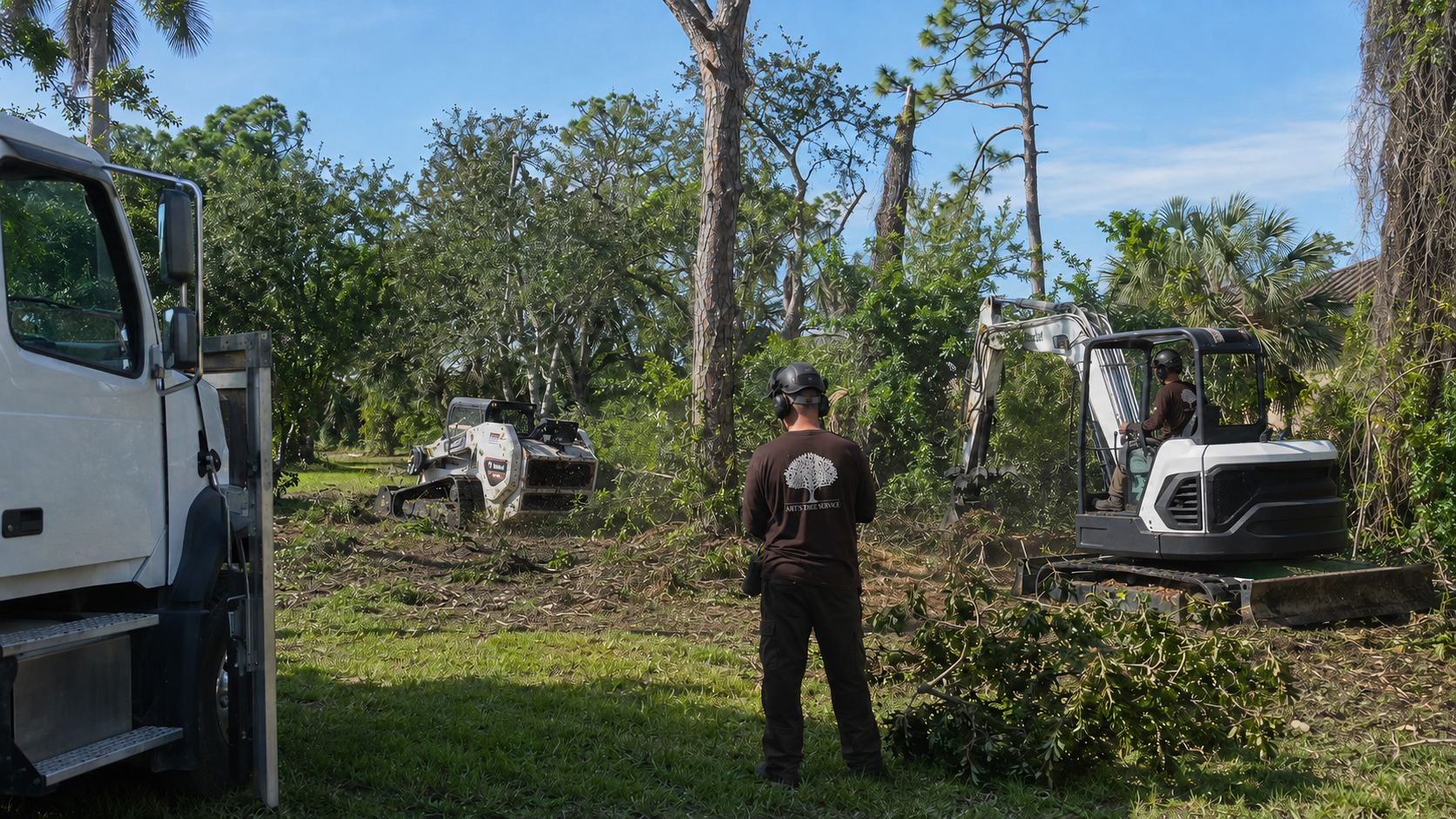
Coordinate tree, brush, and vegetation clearing for construction, landscaping, access, or property cleanup with a defined finished scope.
Explore Service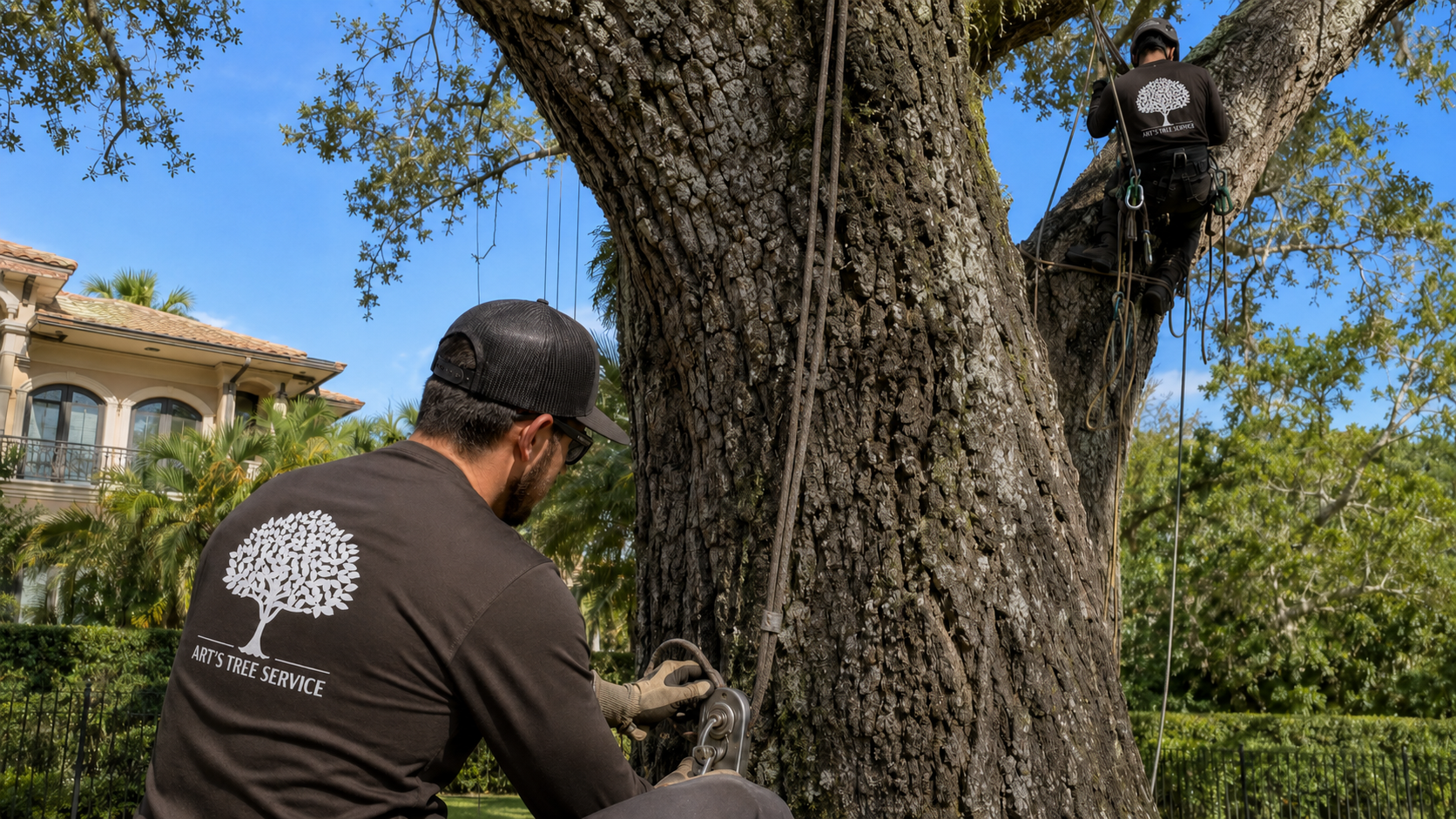
Explore professionally installed lightning-protection systems for valuable mature trees in exposed Southwest Florida landscapes.
Explore Service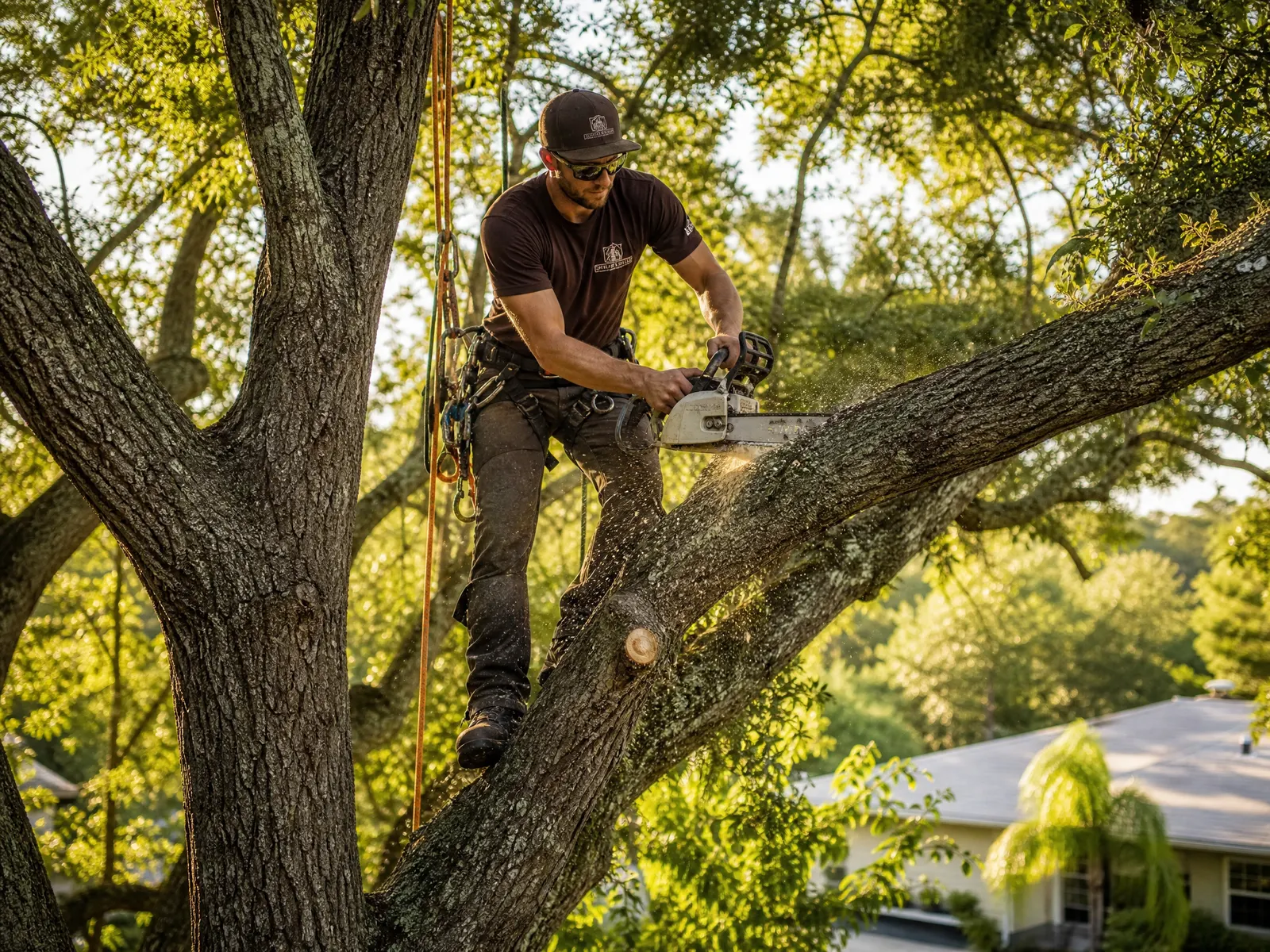
Arrange credentialed guidance for tree-health questions, risk observations, pruning decisions, preservation priorities, and long-term care planning.
Explore ServiceCareful access planning for wooded residential properties.
For local information, visit Osprey community overview.
Fences, garden beds, septic components, and narrow passages can rule out equipment that would be routine on a more open property. The crew reviews the usable route first, then matches rigging, cutting, and debris handling to the space actually available.
Osprey owners often call about one damaged lead or a canopy that has crept over the house. Pruning can concentrate on dead, conflicting, or poorly placed growth while retaining the shade and screening that make the lot appealing.
On a heavily landscaped property, cleanup is more than loading large wood. Small branches, sawdust, and dragged material can affect paths and planting beds. Defining the debris route and final cleanup standard helps return the property to normal with less disturbance.
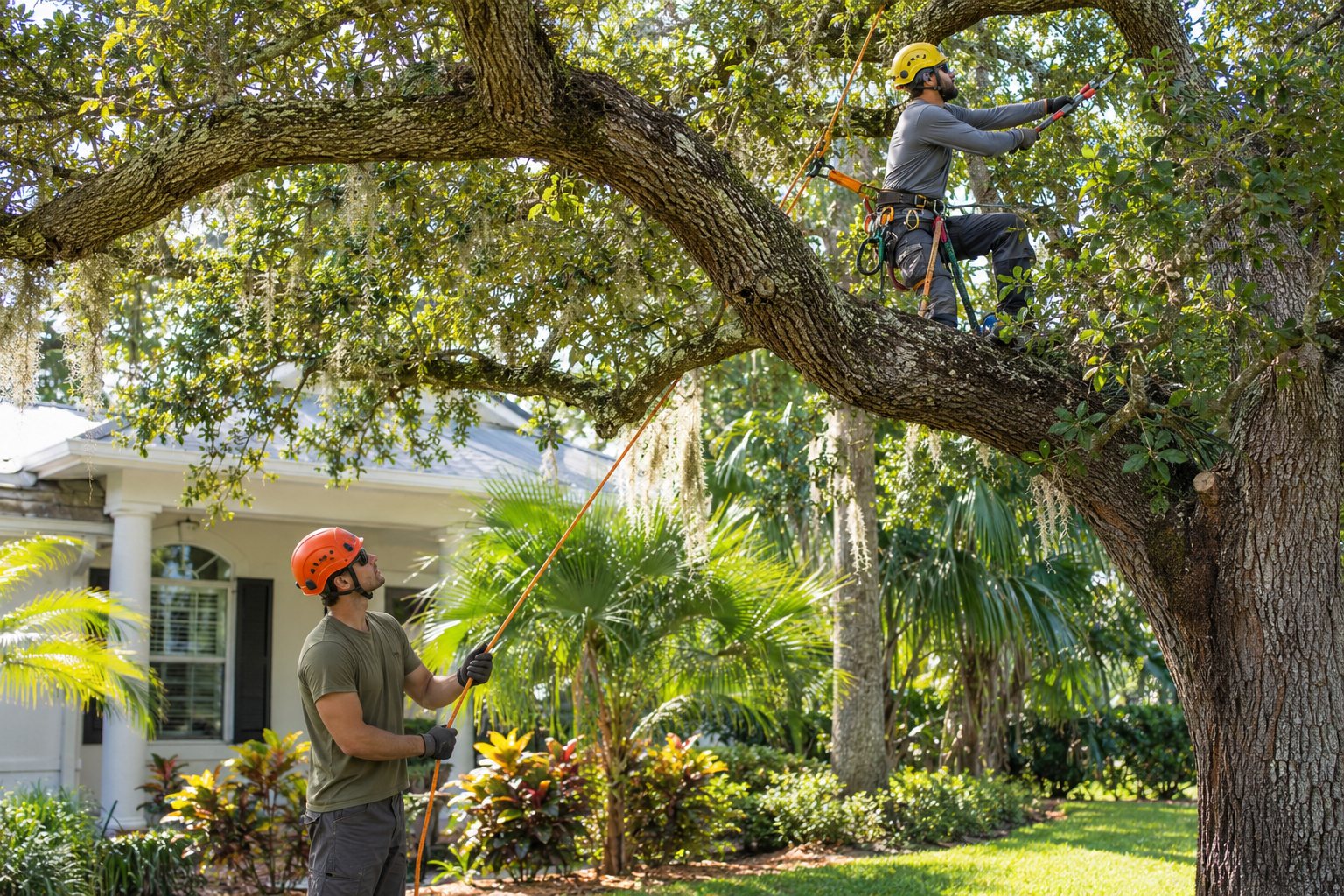
Coastal exposure makes observation and timing especially valuable.
After prolonged rain, a tree that has stood for years may show new soil movement, root-plate lifting, or a developing lean. Those changes deserve attention because the condition below ground can matter as much as the green canopy above it.
Brittle branches above a roof, driveway, or outdoor living area can become projectiles during a coastal storm. Removing specific hazards before severe weather is different from indiscriminate thinning, which can create new problems for the canopy.
When many trees are present, the useful question is which ones affect safety, access, light, or long-term landscape goals. A staged plan can address urgent defects first while preserving healthy screening and postponing work that offers little immediate benefit.
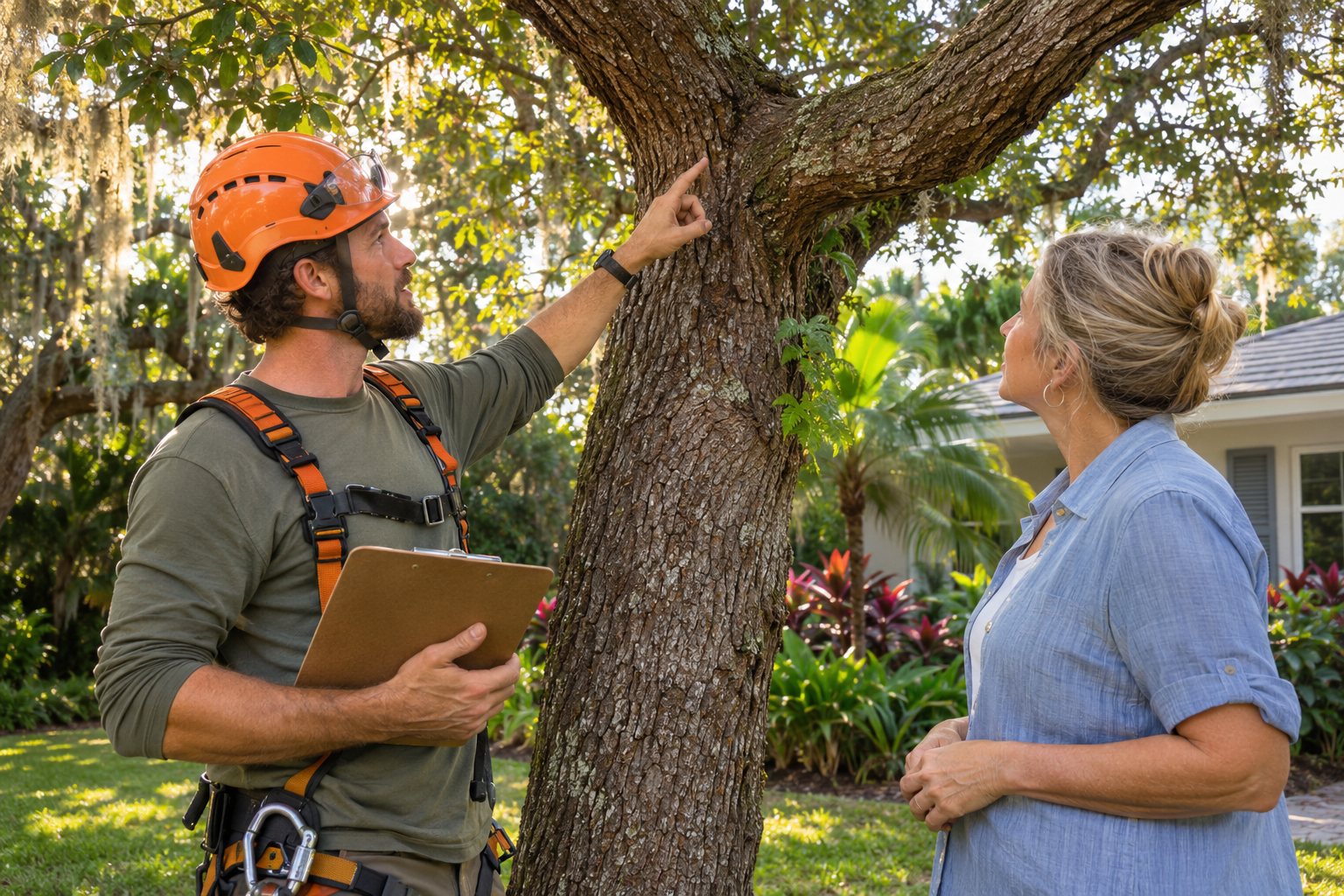
The most common Osprey questions involve narrow access, leaning trees, wooded-lot priorities, and what happens to branches and logs after work is finished.
Many projects can be adapted to restricted access, but the equipment and debris plan may change. Smaller tools, controlled rigging, additional hand-carrying, or a different staging point may be needed. The estimator should see the gate width, turns, overhead clearance, and sensitive areas before quoting the work.
No. Some trees have grown with a stable lean for decades, while a new lean accompanied by lifted soil or cracking is more concerning. The direction, root condition, species, canopy weight, recent weather, and targets within reach all help determine whether pruning, monitoring, or removal is appropriate.
They can when that is agreed in advance and site conditions allow it. Some owners want usable firewood or chips for paths; others need complete haul-away. The written estimate should specify what is kept, where it is placed, and whether pieces are cut to a requested size.
Osprey service calls extend through wooded neighborhoods and coastal residential areas between Sarasota and Venice. The map shows the general community; the exact address is still needed to confirm access, scheduling, and whether the property falls within the active service route.
Tell Art's Tree Service which trees concern you, what result you want, and anything the crew should know about access. The on-site estimate is free.